5 signs your body needs recovery right now

Author: Anna Bielińska · Published: · Updated:
Does the smell of fresh coffee wake you up each morning, yet instead of energy to get going, you feel a heaviness that wasn't there just a few months ago? In the daily rush — between work, caring for loved ones, and household duties — it's easy to push your own needs aside. Not every bad day means a health problem. But if symptoms persist, worsen, or limit your everyday functioning, it's worth taking them seriously and looking for their cause.
Below you'll find five signs that may indicate you need rest, a change in your daily rhythm, or a consultation with a specialist. You'll also learn when a well-chosen health resort or rehabilitation stay can help, and why it shouldn't replace diagnostic evaluation.
Signs worth watching for
The table below is not meant for self-diagnosis. It helps you organise your observations and prepare for a conversation with a doctor, physiotherapist, or the facility's medical staff.
| Signal | When to consult about the symptom? | What can support recovery after qualification? |
|---|---|---|
| Chronic fatigue | When it lasts several weeks, has no clear cause, or gets in the way of everyday activities. | A regular daily rhythm, sleep, gentle activity and rest — once the cause of the symptoms has been established. |
| Morning joint stiffness or back pain | When the pain keeps coming back, gets worse, disrupts sleep or activity, and stiffness after waking lasts more than about 30 minutes. | Individually tailored physical activity, physiotherapy and — if indicated — treatments available at the facility. |
| Sleep problems and low mood | When they persist for more than two weeks, make it harder to function, or are accompanied by a loss of interest in things. | A steady daily rhythm, relaxation, social contact and activity; medical or psychological support as well, if needed. |
| Recurring infections or a slow recovery | When infections often return, symptoms worsen, or they affect an older person or someone with a chronic illness. | A medical assessment first; inhalations or other treatments only when they are individually indicated. |
| Less energy and giving up everyday activities | When this withdrawal persists, becomes more pronounced, or extends to activities that used to bring pleasure. | A gradual return to physical activity and social contact, matched to your health and abilities. |
5 important warning signs
1. Chronic fatigue that doesn't go away after a night's sleep
You wake up after a full night's sleep and still feel that the simplest tasks require enormous effort? A single bad morning can happen to anyone. It's a different matter when the fatigue persists for several weeks, has no obvious cause, or starts to affect your work, relationships, and daily duties. In that case, it's worth discussing it with a doctor.
Chronic fatigue can have many causes — from lack of sleep and prolonged stress, through the effects of medication, to anaemia, thyroid disorders, sleep problems, or other illnesses. So it's not worth assuming it's purely a result of age or the strain of everyday life.
Once the cause of the symptoms has been established, a change of environment can help restore a regular daily rhythm. A relaxed daily schedule, fixed mealtimes, moderate activity, and time away from household duties can support rest. Such a stay should, however, complement medical recommendations, not replace them.
2. Joint stiffness and worsening back pain
Difficulty getting moving in the morning, pain when climbing stairs, or increasingly frequent back discomfort don't necessarily point to one specific illness. They can have various causes, so a proper assessment of the problem matters more than choosing a treatment on your own.
It's especially important to seek medical advice if symptoms limit everyday activities or sleep, worsen, keep coming back, don't improve after about two weeks, or if joint stiffness lasts more than 30 minutes after waking.
Once the cause has been identified, individually tailored exercise, physiotherapy, massage, or balneological treatments such as baths or peat-mud wraps can help — provided they're indicated in your particular case. Health resort treatment uses therapeutic stimuli, so the assessment should take both indications and contraindications into account.[1]
3. Sleep problems and low mood
Sleep, wellbeing and physical condition influence one another. Difficulty falling asleep, frequent waking, irritability, or a lack of desire to socialise can appear during periods of stress, but they can also accompany health problems or low mood.
If a low mood, loss of enjoyment, withdrawal, or sleep disturbances persist for more than two weeks and clearly affect your daily life, it's worth contacting a doctor or psychologist.[2]
Social relationships also matter. In a 2015 meta-analysis, social isolation was associated with about a 29% higher likelihood of premature death. This is a statistical association, not proof that a lack of social contact directly causes a specific illness in every person.[3]
A well-organised stay can offer opportunities to unwind, take walks, keep a regular daily routine, and spend time with other people. It is not, however, a treatment for depression or anxiety disorders, and it shouldn't delay seeking specialist help.
4. Recurring infections and a slower recovery
A scratchy throat, a cough, or weakness can result from an ordinary infection, but if they come back often or recovery takes a long time, it's worth discussing this with a doctor. There can be many causes — from frequent exposure to pathogens and chronic illnesses to medication or lingering weakness after another illness.
Consulting a doctor is especially important if symptoms worsen, persist for a long time, include shortness of breath, or affect someone over 65, someone with a weakened immune system, or someone with chronic heart, lung, or kidney disease.
Inhalation treatments and other therapies offered at some health resort facilities should only be used when there are indications for them. A sanatorium stay doesn't replace diagnostic evaluation or treatment of an acute infection.
5. Less energy and giving up activities you used to enjoy
When you gradually give up gardening, walks, seeing loved ones, or playing with grandchildren, it's worth considering what's behind this change. The reason could be pain, poor sleep, fear of falling, medication effects, low mood, or another condition. A long-term loss of interest shouldn't automatically be put down to age.
Regular physical activity, adjusted to your age, fitness, and health, supports both physical and mental health, helps prevent and manage many chronic illnesses, and can also improve overall wellbeing.[4]
A stay with planned walks, exercise, or group activities can make it easier to return gradually to physical activity. It's not about catching up or pushing yourself at all costs — the plan should match the person's abilities and a specialist's recommendations.
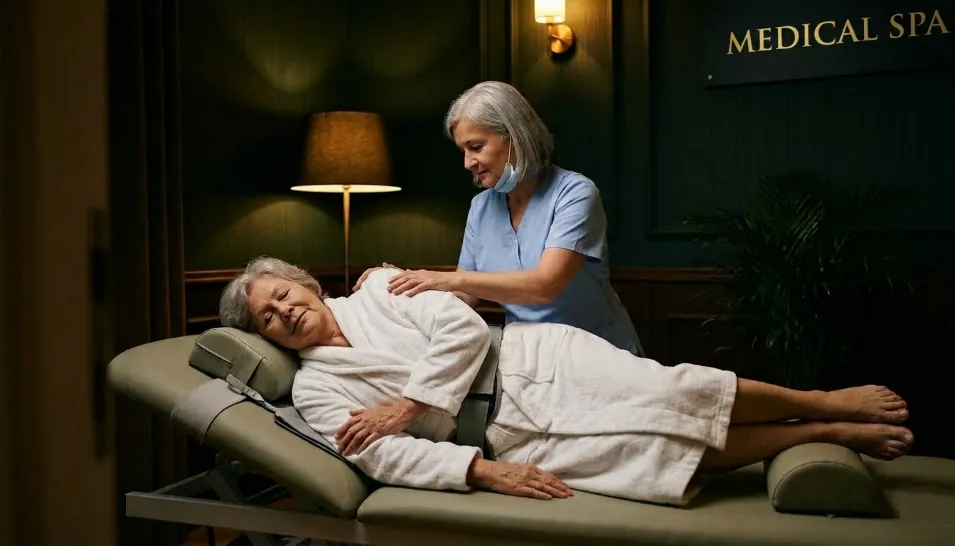
Privately funded stay versus NFZ-funded health resort treatment — the key differences
NFZ-funded health resort treatment is a continuation of earlier treatment and requires an e-referral. The doctor should take indications and contraindications into account, and once the referral is approved, the NFZ assigns the place and date of treatment. Detailed information is available on the Pacjent.gov.pl pages about the rules for health resort treatment and travelling to a health resort.[1][6]
You'll soon be able to book a privately funded stay on Vitalnia.pl. An NFZ referral is not required to book the stay, but a facility may require medical documentation, a health questionnaire, or a consultation before admission to certain treatments. You'll find a broader comparison of both paths in the article "Privately funded sanatorium stay or NFZ-funded treatment?".
| Area | NFZ spa treatment | Commercial stay |
|---|---|---|
| Referral and assessment | An e-referral and an assessment under the Polish National Health Fund (NFZ) procedure are required. | An NFZ referral is not required; assessment requirements depend on the facility and the chosen package. |
| Date and location | The date and location are assigned as part of the NFZ procedure. | You choose from currently available facilities, dates and packages. |
| Cost | Funding arrangements and any co-payment are determined by NFZ rules and the type of service. | The guest covers the cost of the stay and services; before booking, it's worth checking the full price and scope of the package. |
| Scope of stay | The scope is determined by the assessment, referral and treatment plan. | The scope depends on the facility's offer; not every package includes a medical consultation or therapeutic treatments. |
| Freedom of choice | Limited by the rules and availability within the NFZ system. | Greater, but dependent on actual availability and the specific facility's rules. |
What to check before buying a stay?
- the facility's medical profile and experience working with your particular condition;
- whether the package includes an assessment by a doctor or physiotherapist;
- the exact number, type and frequency of treatments;
- contraindications and the documents you need to bring;
- room standard, meals, and whether a special diet can be accommodated;
- the total price, additional fees, and the cancellation and refund policy.
Frequently asked questions (FAQ)
Do I need a doctor's referral for a privately funded sanatorium stay?
An NFZ referral is not required to book a privately funded stay. However, documentation and assessment requirements for specific treatments depend on the facility and the chosen package. Some treatments may require a medical consultation or information about your health.
How long does a standard privately funded stay last?
For privately funded stays, 7-, 14- and 21-day packages are common. The available lengths of stay, number of treatments and daily schedule depend on the specific facility. There's no single length of stay that will be best for everyone.
As a senior, will I be able to manage an online booking?
According to 2026 data from Poland's Public Opinion Research Center (CBOS), 62% of people aged 65–74 and 37% of people aged 75 and over use the internet regularly. Vitalnia is designing the booking process for both guests booking for themselves and loved ones helping them organise the trip. Once booking goes live, key information about the price, date and what the package includes will be presented clearly and in an easy-to-follow format.
When is it worth consulting a doctor before choosing a stay?
You should consult a doctor whenever the cause of your symptoms hasn't been identified, your symptoms persist or worsen, you have a chronic illness, you've recently had surgery, or the chosen package includes treatments that may have contraindications. A consultation is also advisable if your health has changed significantly since your last doctor's visit.
Does a privately funded stay guarantee an improvement in health?
No. The outcome depends on the diagnosis, your health, the right choice of treatments, the length of stay, and many individual factors. It's worth being cautious about offers that promise a guaranteed or immediate result.
Summary — take care of your recovery wisely
Recovery isn't a whim. Sleep, rest, movement, and contact with other people matter for everyday wellbeing. At the same time, a health resort stay alone should not be used to treat persistent symptoms. First, you need to identify their cause, and then match the form of stay and treatments to your real needs and abilities.
A well-chosen stay can help you restore your daily rhythm, return to safe activity, and take a break from everyday duties. What matters most, though, is clear information about what the offer includes, proper assessment before treatments, and avoiding promises of outcomes that can't honestly be guaranteed.
If you're getting closer to deciding on a stay, the practical list of what to pack for a sanatorium will also come in handy.

Want to find the perfect place to recover without queues?
Health shouldn't wait in a queue. With the Vitalnia platform you can find availability at the best private sanatoriums and make a secure online booking in minutes. Whether you're booking a stay for yourself or someone you love — take control today.
See what we've prepared for you and your loved ones