


A good sanatorium for joint problems: how to choose a stay and compare offers
How do you choose a good sanatorium for joint problems? Compare the rehabilitation programme, care, accessibility and the full cost of a private stay.
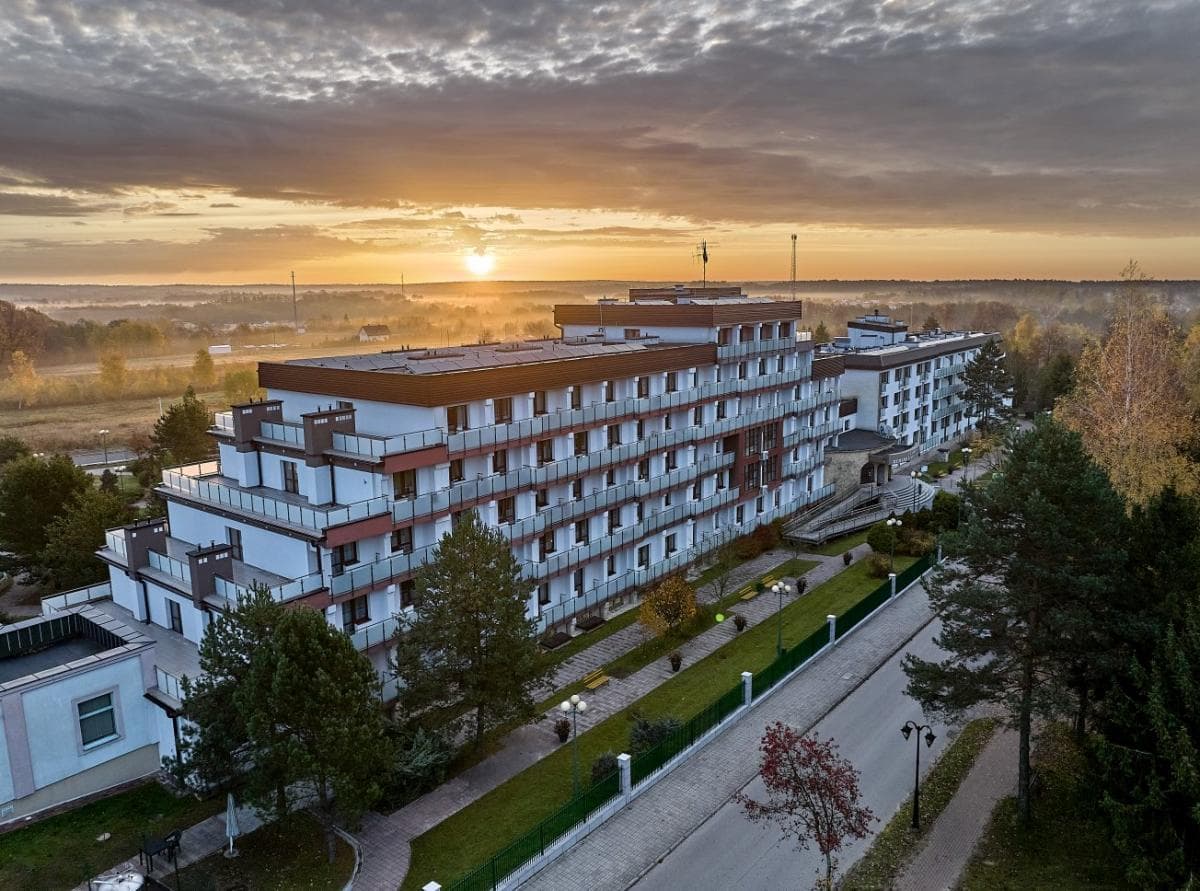
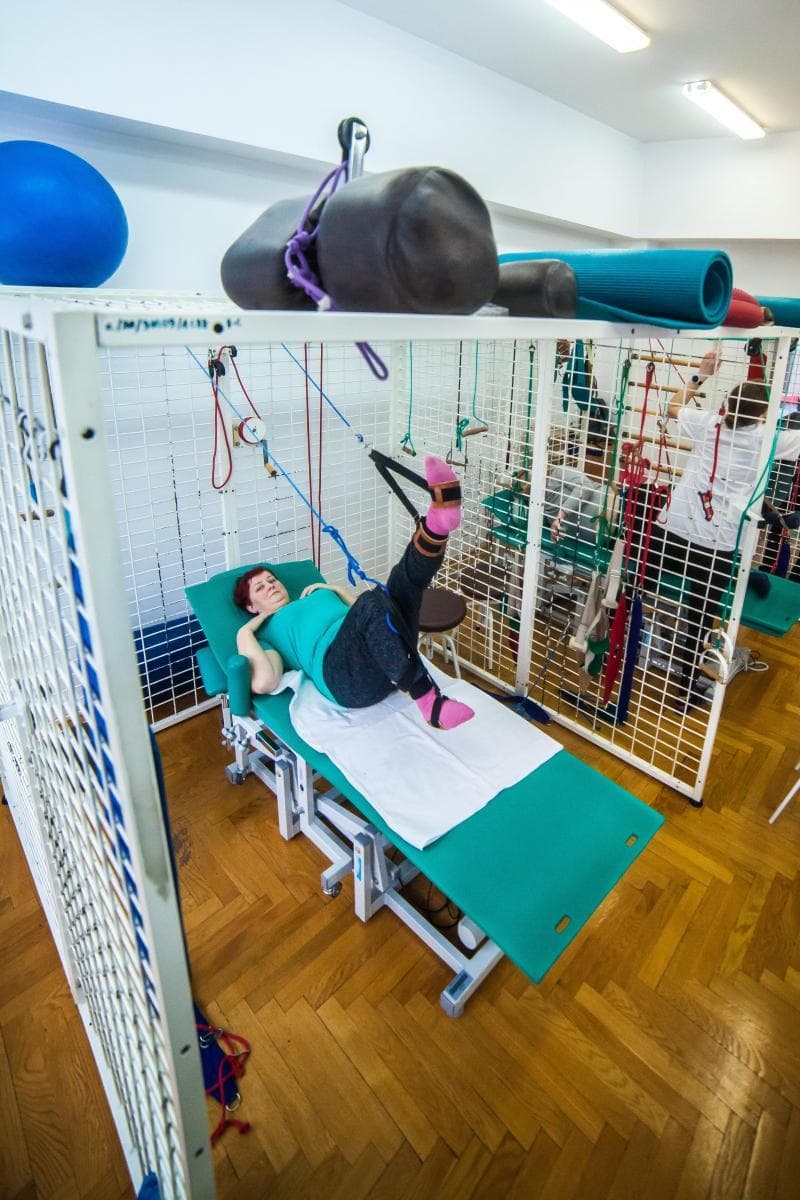
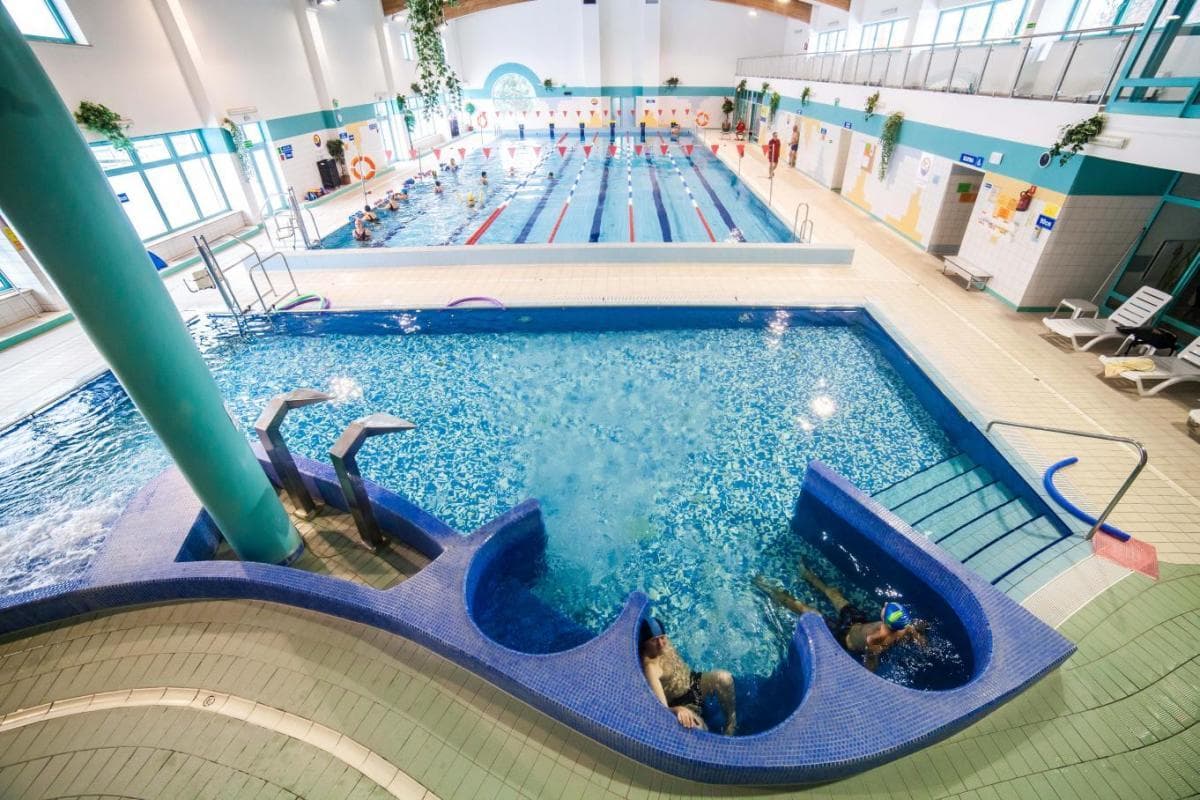
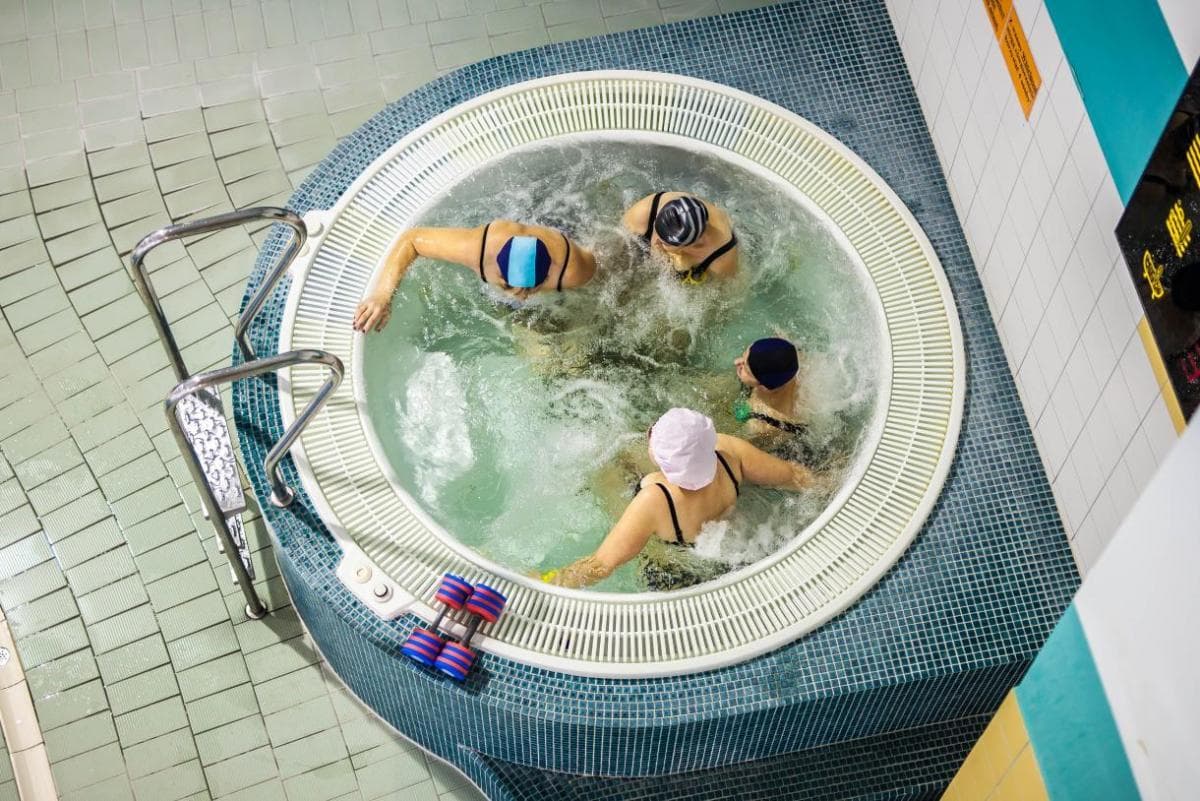
The history of the Centrum Rehabilitacji Rolników Kasy Rolniczego Ubezpieczenia Społecznego Kresowiak in Horyniec-Zdrój is a story of consistent investment in health, safety and the proven resources of nature. The first seeds of spa activity appeared here as early as the end of the 19th century, when Aleksander Oskar Poniński launched the first simple bathing establishment based on two natural outflows of sulphide water by the Glinianiec stream. Water from one spring was used for baths, from the other for drinking cures. The real breakthrough came in 1928, when Stanisław Karłowski, president of the Polish Spa Association, initiated the construction of a modern spa facility with 38 treatment cabins, including 8 peat-mud stations. It was then that Horyniec began receiving hundreds of guests a day and building its reputation as a place where natural treatment translates into real results.
The years 1941–1945 brought the almost complete destruction of the spa buildings, but the spa tradition was not lost. Revival came in 1957 thanks to the local Health Cooperative, which undertook the effort of reactivating the establishment. In 1976 Horyniec regained its official spa status, and on 18 September 1977 the country's first Peasants' Health House, Rolnik, opened with a base of 135 beds. This stage became the foundation of the present Centre. In 1993 the facility came under the administration of the Polish Agricultural Social Insurance Fund (KRUS), and a year later the Rolnik II wing was put into use. Combined with the thoroughly renovated Rolnik I building, this created a large, solid complex offering 250 beds.
Today's Kresowiak combines the functionality of a modern medical centre with the classic atmosphere of a health resort, which gives a senior a sense of order and security. The multi-storey building with its light-coloured façade fits harmoniously into the greenery of the spa district, and its layout was planned with older people and guests with limited mobility in mind. A modern system of lifts connects all residential floors with the treatment facilities, dining room and relaxation zone, so the guest does not have to climb stairs. This is a very important detail for a mum, dad or senior with musculoskeletal conditions, because every safe metre of movement really matters.
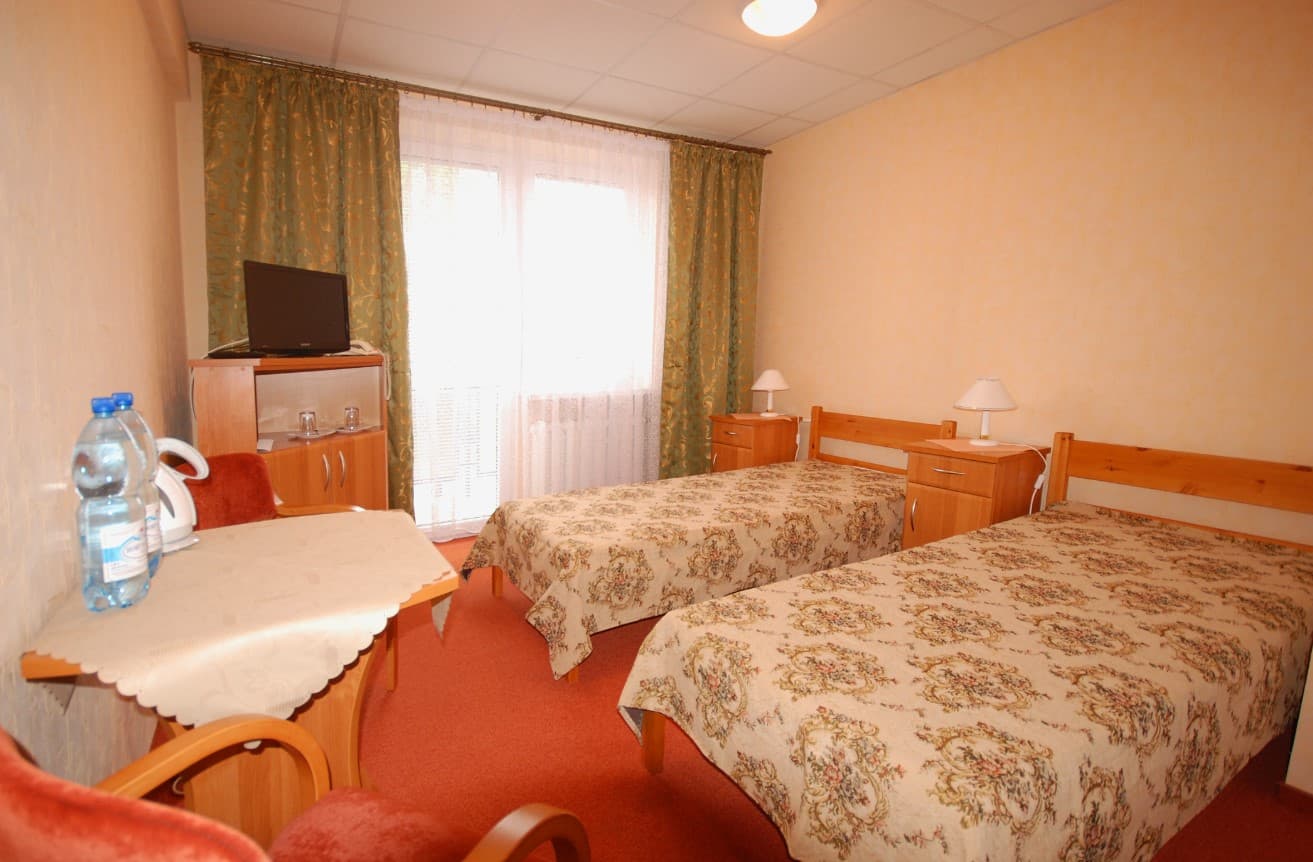
The interiors were conceived so as not to resemble a stark hospital space. The spacious, well-lit corridors are equipped with features that aid orientation, and the whole atmosphere of the place has evolved from a traditional farmers' sanatorium towards a professional medical spa, where modern medical technology coexists with peat-mud and sulphide-water treatment. Systematic modernisation is confirmed by ISO quality certificates and by the high standard of finish in the rooms and consulting rooms. The acoustics of the facility also deserve attention: despite the large scale of the complex, the residential zones are separated from the busier common areas, allowing a senior to rest in silence. A modern ventilation and heating system helps maintain the optimal temperature at any time of year, and the view from the windows onto the Spa Park or the nearby forest complexes brings the calm of greenery and an impression of carefully considered care into everyday life.
Stay organisation
For privately funded stays, a referral from a primary care doctor is not required; however, the senior should have a current health certificate or recent laboratory test results. This documentation is needed for a safe on-site medical consultation and proper selection of balneological treatments. Blood count, ESR, urine test results, and an ECG performed no earlier than a few months before arrival are required. An important condition is also the ability to manage daily activities independently, which is a key element of the safety standards in place at the facility. This criterion should be treated not as a formality, but as a practical guideline helping to match the place to the senior's real capabilities.
Check-in is from 12:00 on the arrival day and check-out is by 10:00 on the departure day. Standard rehabilitation stays begin with lunch on the arrival day and end with breakfast on the departure day. Stays funded by the Polish State Fund for Rehabilitation of Persons with Disabilities (PFRON) have a different schedule: they begin with breakfast and end with dinner. All check-in formalities take place on the ground floor, in a spacious hall with seating for guests who are waiting, which is especially important for people who should not stand for long.
Additional information
Centrum Rehabilitacji Rolników in Horyniec-Zdrój offers a range of amenities and quality confirmations that strengthen trust in this place as a sensible investment in a senior's health. The facility holds a Quality Management System Certificate compliant with the ISO 9001:2015 standard, confirming a high standard of organisation of medical and diagnostic services. The centre has also been repeatedly awarded for its contribution to the development of farmers' rehabilitation and for the quality of its care. For a guest and their family, this is an important signal that the stay is not based solely on a good impression but also on procedures that organise treatment according to current medical knowledge standards.
Everyday logistical matters also matter. On site there is paid parking, monitored around the clock and locked at night. The parking spaces are located close to the main entrance, which makes carrying luggage easier and reduces effort upon arrival.
An important piece of organisational information is that stays with pets are not possible. This results from the medical character of the facility and the need to maintain appropriate conditions in the treatment zones. For those staying for longer periods, access to a self-service laundry is a great convenience. The facility itself is monitored, and guest safety is looked after not only by medical staff but also by professional security. It is precisely such calm, often barely visible solutions that let a senior focus on recovery, while giving the family greater confidence that mum or dad is staying in a well-secured space.
The centre is also involved in promoting a healthy lifestyle. Talks and lectures on the prevention of lifestyle diseases and healthy habits are organised. Laboratory tests carried out on site are available for those interested, allowing a rehabilitation stay to be combined with a broader review of one's health. The offer is complemented by dietary consultations and precise meal plan adjustments, thanks to which the trip can become the beginning of lasting, beneficial changes in the senior's everyday life. It is precisely this consistency — from the modern pool facilities to professional peat mud wraps — that builds the image of Kresowiak as a trustworthy, sensible place, well prepared to support people of mature age.
The location of Centrum Rehabilitacji Rolników Kresowiak at 2 Sanatoryjna Street is one of its greatest assets from a senior's perspective. Horyniec-Zdrój lies in the Eastern Roztocze region, close to the border with Ukraine, thanks to which it retains a calm, peripheral character, away from the bustle of large cities. This is a lowland health resort, so particularly friendly to older people and guests with limited mobility. The terrain around the facility and throughout the whole health resort zone is flat, which eliminates tiring uphill climbs and allows walks even when the day's form is weaker. For a family planning a trip for mum or dad, this is a detail of enormous significance, because the safe surroundings here don't end at the building's walls, but cover the whole immediate environment of the health resort.
The Centre's immediate neighbour is the revitalised Park Zdrojowy, the heart of health-resort life. Reaching it takes just a few minutes of calm walking on level ground. The park has been designed exceptionally senior-friendly: it has wide, modern composite-wood walkways and footbridges winding over the Glinianiec stream, providing a stable surface and protection from mud after rain. Numerous benches are placed along the paths, so you can rest exactly when the body needs it. In the park itself, a guest will find a therapeutic water pump room, an amphitheatre used during summer events and the historic Teatr Dworski Ponińskich. This is a space that combines light movement, contact with greenery and calm social life.
Horyniec-Zdrój's microclimate also works in its favour, rated by specialists as outstanding. The mild, low-stimulus climate is favourable for people with arterial hypertension and heart disease, as it doesn't strain the body with sudden temperature or pressure changes. The air remains very clean thanks to the proximity of extensive forest complexes, including spruce and fir stands, which release health-promoting phytoncides. Within walking distance, about 300 metres from the facility, is the nearest grocery shop and transport stops. This is a small distance, but it has great value for a senior, as it strengthens the sense of independence in everyday small matters.
The area also offers the possibility of calm sightseeing. It's worth seeing Pałac Ponińskich, which currently houses the Bajka sanatorium, as well as the Baroque church and Franciscan monastery. A few kilometres from Horyniec is the Kaplica na Wodzie in Nowiny Horynieckie, a destination for walks and short trips of a religious and recreational character. The Wschodni Szlak Rowerowy Green Velo also passes through the town, which works well with the possibility of renting electric bicycles at the Centre. The whole surroundings are steeped in quiet, calm and a gentle rhythm, which, combined with the flat terrain profile, creates one of the most comfortable health-resort environments for seniors in Poland.
Right next to the Centre itself is a carefully landscaped garden. The walking paths have a surface that makes moving around easier, and the plant beds please the eye at every time of year. Installed park lighting allows safe walks even after dark, which matters to many guests especially in summer, when it's pleasant to go outside after dinner. Benches have been placed in shaded spots, allowing you to read, rest or simply spend time with other guests without moving far from the main building. The entire outdoor space here has been arranged with a wise purpose: to encourage a senior to move, while also giving them regular points of regeneration and the feeling that every path leads in a safe direction.
Loading map...
Direct contact with the facility's reception
We combine specialist therapies, an individual approach and modern methods to support your return to health and daily activity.
The above treatment profiles focus on the following categories:
Showing articles 1-4 of 13
How do you choose a good sanatorium for joint problems? Compare the rehabilitation programme, care, accessibility and the full cost of a private stay.

Find out how to choose a sanatorium with a swimming pool. Compare accessibility, type of water, supervision, opening hours and costs, as well as the classes included in the package.

Planning a private stay in Lower Silesia? Compare spa towns, treatment programmes, care, room accessibility and the full cost of the offer on Vitalnia.

Learn the differences between physiotherapy, physical agent therapy and kinesiotherapy. Check treatment names in sanatorium packages and what to ask.
Article
How do you choose a good sanatorium for joint problems? Compare the rehabilitation programme, care, accessibility and the full cost of a private stay.
Article
Find out how to choose a sanatorium with a swimming pool. Compare accessibility, type of water, supervision, opening hours and costs, as well as the classes included in the package.
Article
Planning a private stay in Lower Silesia? Compare spa towns, treatment programmes, care, room accessibility and the full cost of the offer on Vitalnia.
Article
Learn the differences between physiotherapy, physical agent therapy and kinesiotherapy. Check treatment names in sanatorium packages and what to ask.

Article
Planning to go to a sanatorium together? Check the NFZ rules, a sample request, sharing a room and the terms of a private stay for two.

Article
How do you check a facility for a rehabilitation stay for a wheelchair user? See what to verify in the room, bathroom and lift, at treatments and for a carer's stay.

Article
Planning a sanatorium stay with your dog? Check the rules for private and NFZ stays, documents, fees and care for your dog during treatments.

Article
Compare sanatorium packages: treatments, eligibility assessment, care and stay conditions. See how to use Vitalnia's filters to choose a facility.

Article
Affordable private sanatorium: how to compare the full cost of a stay, dates, rooms and treatments, plus Senior Card and PFRON funding rules.

Article
Spine rehabilitation at a sanatorium: learn about treatments, warning signs, the differences between 7-, 14- and 21-day stays, and criteria for choosing a facility.

Article
What to pack for a sanatorium stay of 7, 14 or 21 days? Check the list of documents, medicines, clothes and accessories, plus a printable checklist.

Article
Chronic fatigue, joint pain, or sleep problems? Learn 5 signs worth watching for, and find out when to consult a doctor about them. 2026 guide.

Article
Find out how much a privately funded sanatorium stay costs, how long the wait for treatment funded by the Polish National Health Fund (NFZ) is, and when a privately funded stay may make sense. Full 2026 comparison.