


A good sanatorium for joint problems: how to choose a stay and compare offers
How do you choose a good sanatorium for joint problems? Compare the rehabilitation programme, care, accessibility and the full cost of a private stay.
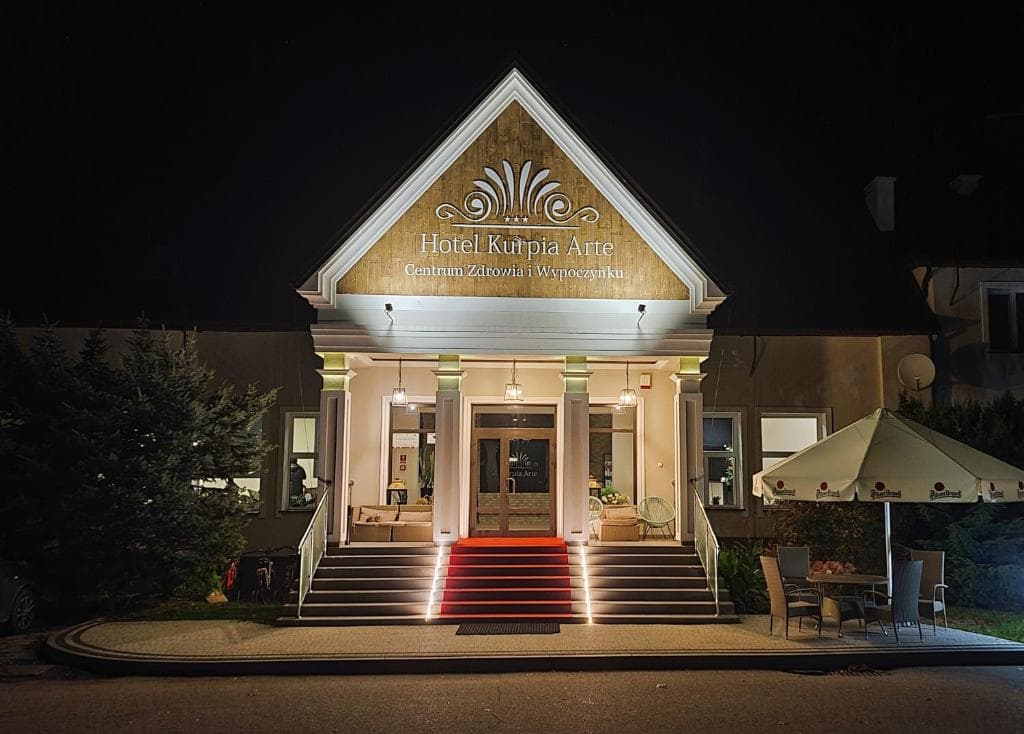
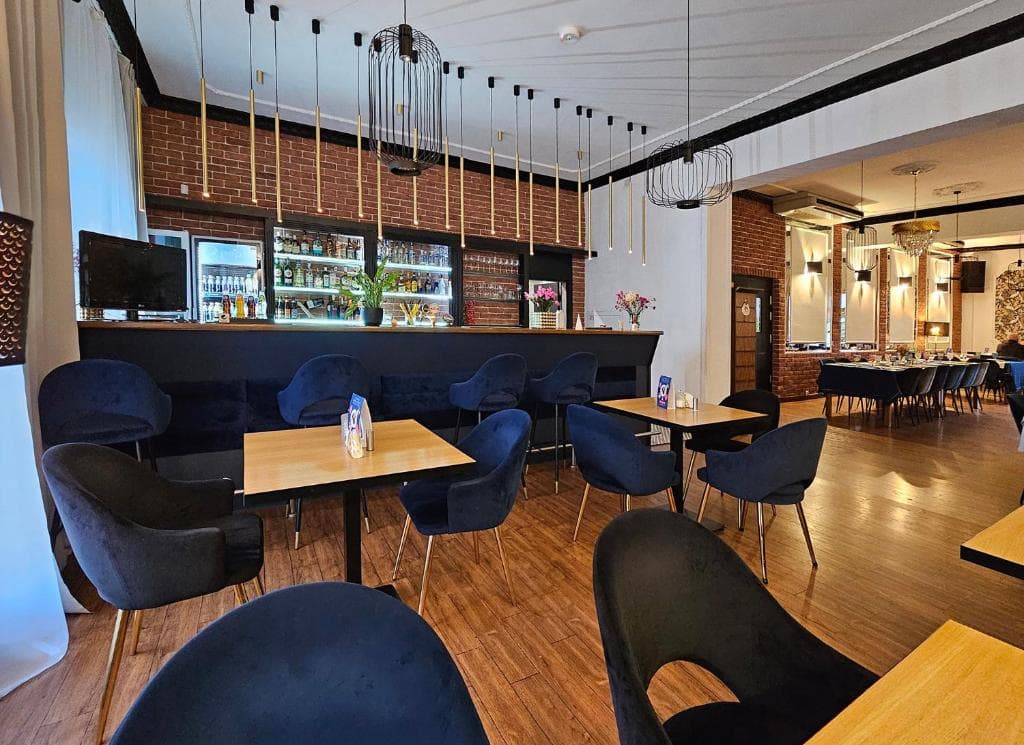
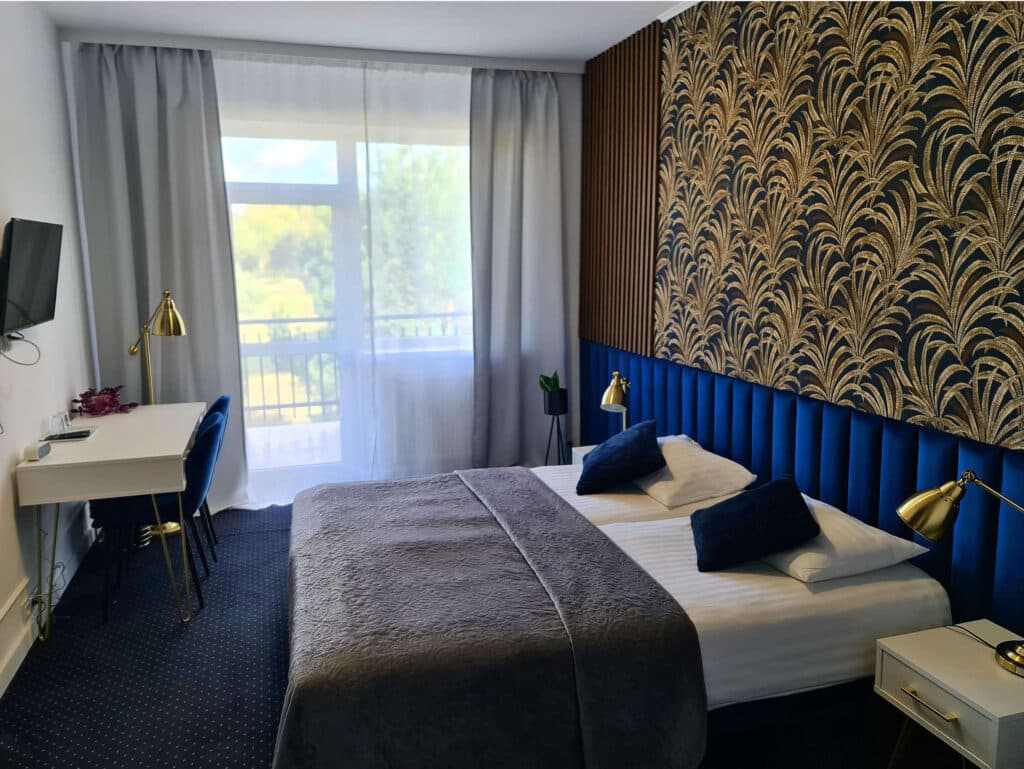
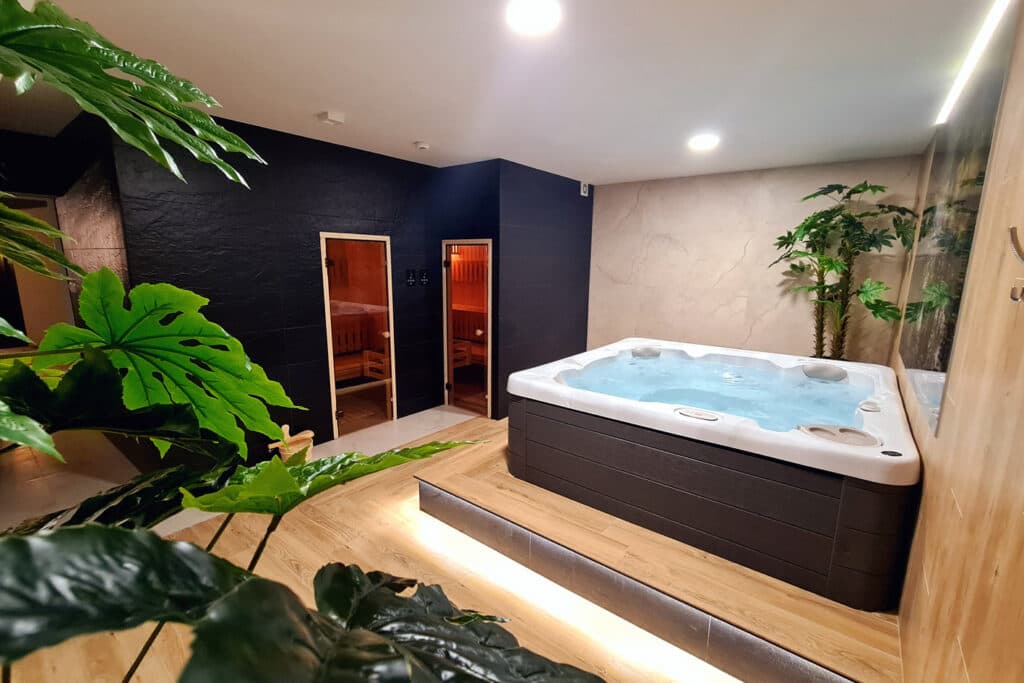
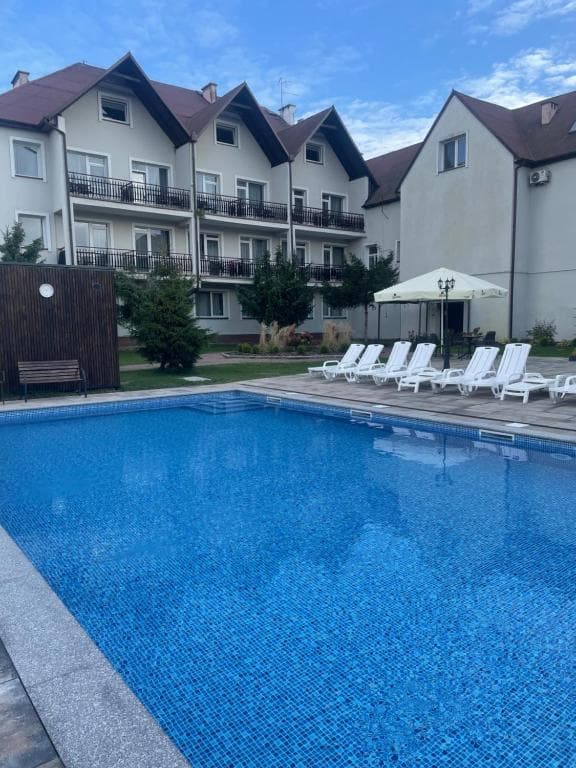
Hotel Kurpia Arte in Nowogród is a revitalised, three-star hotel and holiday complex, operating as a Centrum Zdrowia i Wypoczynku. The facility is located in the Podlaskie Voivodeship, about an hour and a half's drive from Warsaw. Its architecture combines a cosy regional style, inspired by Kurpie culture, with modern medical infrastructure discreetly woven into the design. A recent thorough renovation adapted the interiors to contemporary hotel and health standards, without losing their intimate, family character.
The facility offers 134 beds in total. The layout of the rooms was planned to make everyday life easier for people with limited mobility too. Rooms with direct access to outdoor terraces are located on the ground floor and first floor, allowing guests to enjoy the green surroundings without having to negotiate many floors.
The hotel is surrounded by a private, four-hectare recreational area with old-growth trees and open clearings. There's plenty of space here for a calm walk, rest, and daily contact with nature. The warm colours of the interiors and regional details create a homely atmosphere, far from a cold, clinical feel. The quiet is broken mainly by birdsong and the rustle of wind in the treetops.
A location away from urban bustle, rush, and smog is conducive to calming down and recovery. Kurpia Arte is a place with soul, where the region's tradition meets the practical organisation of a stay. For a senior and their loved ones, it can be a well-considered investment in health, rest, and regaining a calmer daily rhythm.
Stay organisation
In the standard hotel offer, the day begins at 16:00 and ends at 12:00 the following day. Check-in is possible until 22:00. These hours leave a suitable margin for a calm journey, unpacking belongings, and getting to know the facility without unnecessary rush.
Privately funded dietary stays usually last one or two full weeks and start on Mondays. The first shared point of the programme is a welcome lunch served at 13:30. The stay ends on Sunday with a celebratory breakfast, and rooms must be vacated by 12:00.
Access to the SPA zone is regulated by a schedule to limit crowding and ensure calm resting conditions. From 16:00 to 21:00, hotel guests can use the jacuzzi and saunas free of charge as part of an hour-long session. From 10:00 to 14:00 entry is paid.
Before starting a restrictive dietary programme, a health assessment is necessary, as the fruit-and-vegetable diet is not suitable for everyone. Contraindications include:
Restrictions also apply to sessions in the mild hyperbaric chamber. The treatment isn't performed on people with an implanted pacemaker, pregnant women, people with fresh post-operative scars in the chest or abdominal area, or in cases of acute ear inflammation, fever, or respiratory tract infections. The minimum age of the main person checking in and responsible for the room is 18.
Additional information
Guests travelling by car can use an extensive, secure, and completely free car park located directly on the property. The proximity of parking spaces makes it easier to carry luggage and reduces the need to cover long distances with suitcases.
The hotel accepts stays with dogs and cats, so a guest doesn't have to give up the trip or arrange care for their pet. A fixed fee is charged for the animal, calculated at a daily, weekly, or two-weekly rate.
The hotel kitchen is an important part of the stay. Cleansing diet programmes use products with nutritional properties matched to the programme's principles. The restaurant's standard menu combines traditional Polish and Kurpie-Podlasie cuisine with aromatic Georgian cuisine, prepared under the supervision of a chef from Georgia.
Guests not following a strict dietary programme can try hand-made Podlasie kołduny dumplings, Kurpie kartoflak potato dish, and potato pancakes served in a thick chanterelle sauce. The menu also includes dishes inspired by the Caucasus, including spicy Bozbash soup, the meat dish Azerunga, and khachapuri baked on fluffy yeast dough. The kitchen uses fresh vegetables, aromatic mushrooms, and herbs from local farms.
The outdoor area is covered by camera monitoring. The building has fire alarms and smoke detectors, and the safety equipment also includes fire extinguishers. Reception operates around the clock, ensuring staff are close by and help is available regardless of the time of day or night.
Reception staff speak Polish, English, German, and Russian. During longer stays, including two-week ones, everyday life is made easier by room service and a professional laundry. The facility also runs a free bicycle rental service, allowing guests to actively explore the area around Nowogród and the Kurpie Forest without having to bring their own equipment.
Hotel Kurpia Arte lies in historic Nowogród, in the Podlaskie Voivodeship, directly on the banks of the Narew river. The facility is located on the natural boundary between the town's buildings and the extensive grounds of the Kurpie Forest. The strict centre of Nowogród is about 1.5 km away, so shops and urban infrastructure remain within calm walking distance, while the hotel grounds are isolated from road traffic and everyday bustle.
The nearest surroundings are friendly to seniors and people with musculoskeletal complaints. Extensive, flat green areas, gentle lanes, and level forest paths dominate here. There's no need to negotiate steep climbs or demanding mountainous sections. The area encourages calm walks, including multi-kilometre ones, whose length can easily be matched to your current fitness.
The recreational area belonging to the hotel covers 4 hectares. Numerous shaded spots and benches have been placed there, where you can rest, read a book, or observe nature. Old-growth trees, open clearings, and the proximity of the river create a space allowing you to slow down without needing to go far from the facility.
The proximity of the Narew means the air is naturally humidified. The surrounding spruce-pine forests fill the space with the scent of resin and essential oils, and natural substances released by plants, called phytoncides. No large industrial plants operate nearby, so the area is less exposed to typical urban smog. Such surroundings are especially valued by allergy sufferers and people with respiratory and circulatory complaints.
Already about 70 m from the hotel, the Nadnarwiański Szlak Schronów Bojowych begins, allowing a walk to be combined with a lesson in local history. About 500 m away is the historic Ciężki Schron Bojowy „Most” and a T-34-85 tank monument.
Just over a kilometre from the facility lies the Skansen Kurpiowski imienia Adama Chętnika. One of Poland's best-known ethnographic parks, it presents the former culture of the Kurpie people, traditional architecture, and the region's everyday life. The museum's location on an escarpment also allows an extensive view of the Narew's ancient valley.
Loading map...
Direct contact with the facility's reception
We combine specialist therapies, an individual approach and modern methods to support your return to health and daily activity.
The above treatment profiles focus on the following categories:
Showing articles 1-4 of 13
How do you choose a good sanatorium for joint problems? Compare the rehabilitation programme, care, accessibility and the full cost of a private stay.

Find out how to choose a sanatorium with a swimming pool. Compare accessibility, type of water, supervision, opening hours and costs, as well as the classes included in the package.

Planning a private stay in Lower Silesia? Compare spa towns, treatment programmes, care, room accessibility and the full cost of the offer on Vitalnia.

Learn the differences between physiotherapy, physical agent therapy and kinesiotherapy. Check treatment names in sanatorium packages and what to ask.
Article
How do you choose a good sanatorium for joint problems? Compare the rehabilitation programme, care, accessibility and the full cost of a private stay.
Article
Find out how to choose a sanatorium with a swimming pool. Compare accessibility, type of water, supervision, opening hours and costs, as well as the classes included in the package.
Article
Planning a private stay in Lower Silesia? Compare spa towns, treatment programmes, care, room accessibility and the full cost of the offer on Vitalnia.
Article
Learn the differences between physiotherapy, physical agent therapy and kinesiotherapy. Check treatment names in sanatorium packages and what to ask.

Article
Planning to go to a sanatorium together? Check the NFZ rules, a sample request, sharing a room and the terms of a private stay for two.

Article
How do you check a facility for a rehabilitation stay for a wheelchair user? See what to verify in the room, bathroom and lift, at treatments and for a carer's stay.

Article
Planning a sanatorium stay with your dog? Check the rules for private and NFZ stays, documents, fees and care for your dog during treatments.

Article
Compare sanatorium packages: treatments, eligibility assessment, care and stay conditions. See how to use Vitalnia's filters to choose a facility.

Article
Affordable private sanatorium: how to compare the full cost of a stay, dates, rooms and treatments, plus Senior Card and PFRON funding rules.

Article
Spine rehabilitation at a sanatorium: learn about treatments, warning signs, the differences between 7-, 14- and 21-day stays, and criteria for choosing a facility.

Article
What to pack for a sanatorium stay of 7, 14 or 21 days? Check the list of documents, medicines, clothes and accessories, plus a printable checklist.

Article
Chronic fatigue, joint pain, or sleep problems? Learn 5 signs worth watching for, and find out when to consult a doctor about them. 2026 guide.

Article
Find out how much a privately funded sanatorium stay costs, how long the wait for treatment funded by the Polish National Health Fund (NFZ) is, and when a privately funded stay may make sense. Full 2026 comparison.