


A good sanatorium for joint problems: how to choose a stay and compare offers
How do you choose a good sanatorium for joint problems? Compare the rehabilitation programme, care, accessibility and the full cost of a private stay.
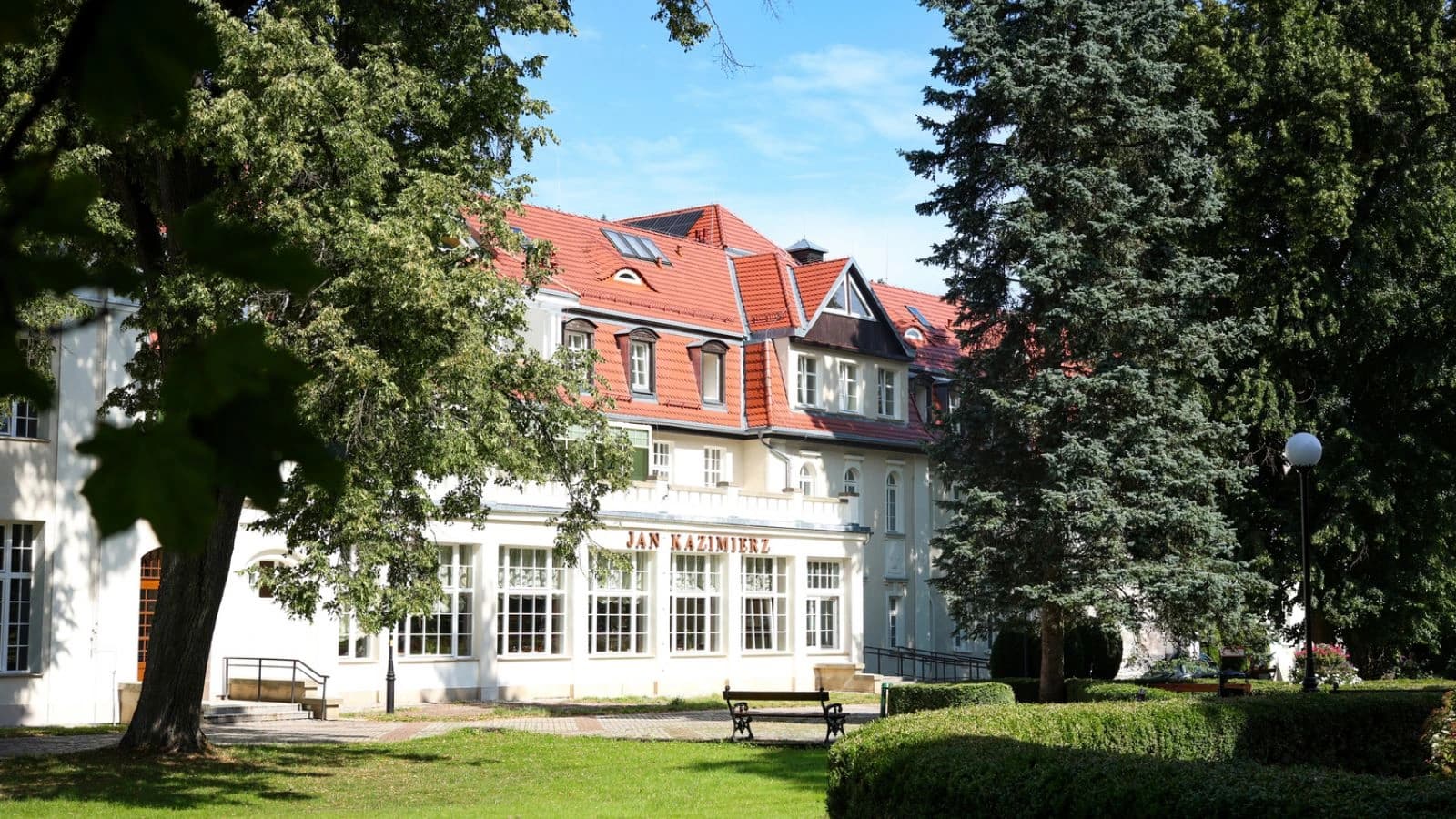
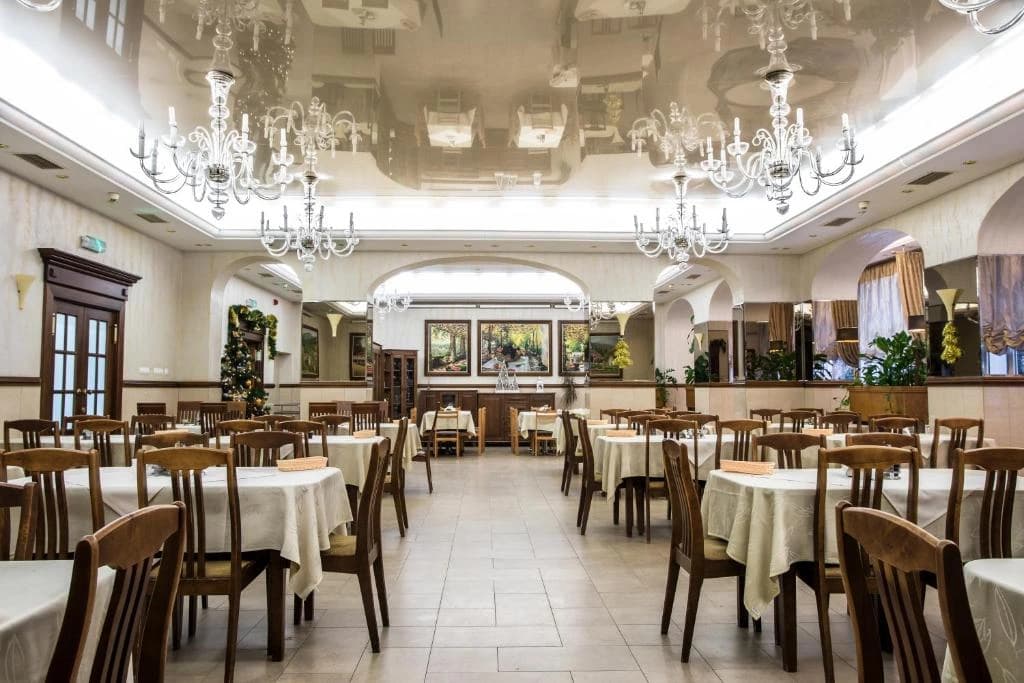
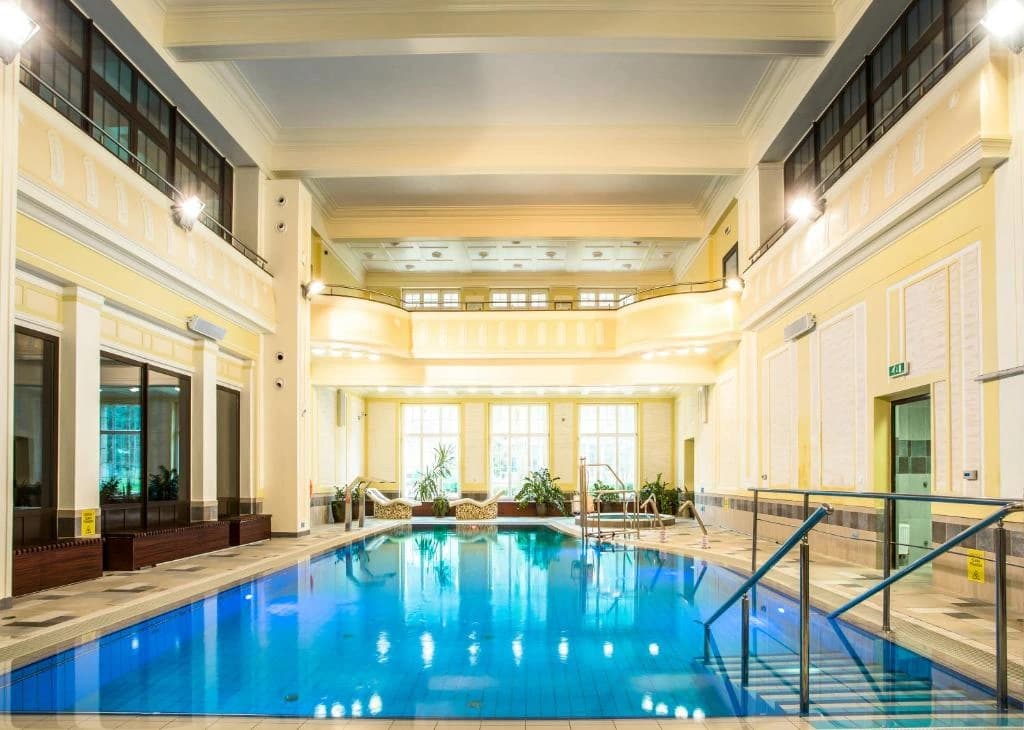
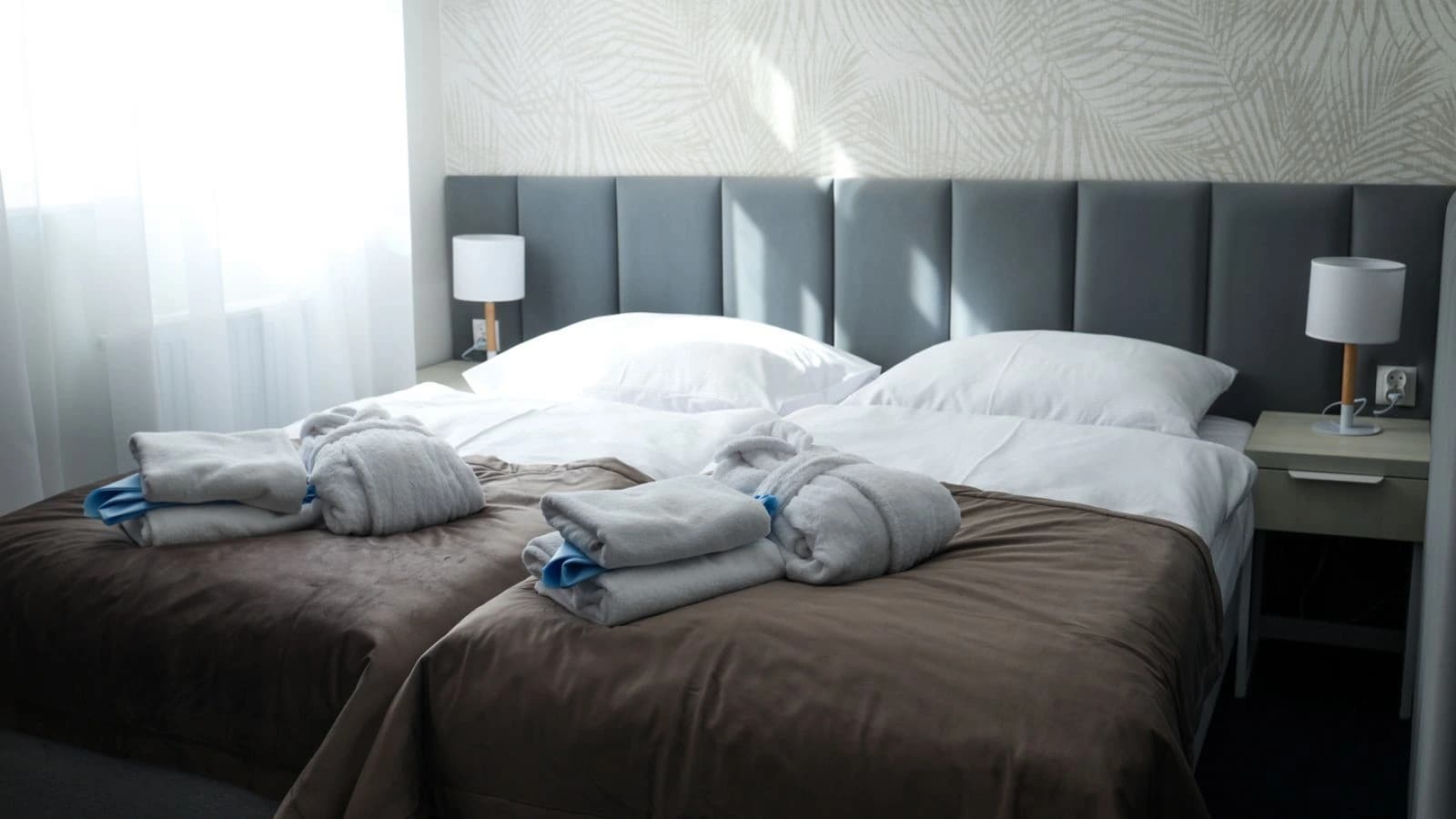
Sanatorium Jan Kazimierz in Duszniki-Zdrój combines more than 100 years of spa treatment tradition with a modern approach to rehabilitation and wellness.
The sanatorium's name commemorates King John II Casimir Vasa. After his abdication, in August 1669, on his way to France he stopped at the Pod Czarnym Niedźwiedziem inn in Duszniki. The inn building can still be seen today on the sloping market square. The historic character of the town is also underlined by its musical tradition: in 1826 the 16-year-old Frédéric Chopin gave concerts here.
The main complex is located at ul. Zielona 23, in the very heart of the Spa Park. The residential part is directly connected to the Natural Therapy Centre, so guests can go to their treatments without going outside. This is a concrete convenience that increases comfort in the colder months and makes everyday life easier for people with limited mobility. The building has lifts providing access to the residential floors and the treatment area.
The rooms and common areas benefit from the nearby greenery and park paths. The Mineral Water Pump Room, the Chopin Manor and other attractions of the spa town are nearby, so treatment can be combined with daily walks and contact with the culture of Duszniki-Zdrój.
Stay organisation
Arrival and departure times depend on the form of the stay:
Additional information
Guests arriving by car can use the car park next to the complex on ul. Zielona. The area is monitored but is not an attended car park. Parking is charged, and the number of spaces may be limited.
To protect guests' belongings, the sanatorium offers a deposit service and a luggage room. The luggage room can be used, among other times, on the day of departure, so after vacating the room at the set time you can still stay in the facility or walk in the park.
One of the greatest advantages of Sanatorium Jan Kazimierz is its location in the very heart of the historic Spa Park in Duszniki-Zdrój, which dates back to the 19th century. The immediate surroundings are quiet and away from heavy town traffic. The central part of the park has a relatively gentle profile, and wide paths make it easier for older guests and people using crutches, a walking frame or a wheelchair to get around. Benches have been placed along the routes where you can rest and watch nature. Sections further outside the park can be more demanding, so it is worth adapting the length of a walk to the guest's condition.
The park invites guests to rest among old, spreading trees. The paths are decorated with colourful flower beds and a Phenological Garden divided into 4 zones showing plants typical of each season. Duszniki-Zdrój has a typical mountain microclimate, with an average annual temperature of just over 6°C. Long, snowy winters last more than ten weeks, and summers are fresh, creating a strongly stimulating climate. Clean mountain air supports stimulation of the circulatory and respiratory systems, improved blood oxygenation and general well-being.
A few dozen steps from the sanatorium, along flat park paths, is the Mineral Water Pump Room. It is housed in a historic building from the first half of the 19th century with an elegant Promenade Hall and a small souvenir shop. Guests can taste alkaline and ferruginous acidulous waters drawn from deep underground from the Jan Kazimierz, Agata, Pieniawa Chopina and Zdrój Zimny springs. The waters reach the surface at their natural, refreshing temperature.
Right next to it is the cultural heart of the spa town. The Chopin Manor, distinguished by its classicist architecture and associated with the young composer's concert in 1826, is today the venue of the International Chopin Festivals and many artistic events. In the park you can see a monument to Frédéric Chopin funded at the end of the 19th century and the Concert Shell with its semicircular structure resembling an open shell. Its shape naturally amplifies and focuses sound on the audience. In the evenings, a popular attraction is the Colourful Fountain, whose jets of water, lit in different colours, move after dark to the rhythm of well-known melodies.
For guests in better condition looking for historical experiences, the Market Square and Old Town are an interesting destination for a walk. However, the terrain needs to be taken into account: the historic centre was laid out on a slope, and the road from the Spa Park to the Market Square leads uphill and can be tiring for older people with reduced cardiovascular capacity. The Market Square has Renaissance and Baroque townhouses, a statue of the Virgin Mary with the Child and the historic Town Hall with its characteristic clock turret.
Not far from the Market Square stands the Church of Saints Peter and Paul with a magnificent Baroque interior. Its unique curiosity is a pulpit carved in the shape of the biblical whale with its jaws wide open. A little further on, on the Bystrzyca Dusznicka river, is the Museum of Papermaking. It occupies a 17th-century wooden mill decorated with shingles and Baroque details, where you can learn the secrets of making paper by hand.
Loading map...
Direct contact with the facility's reception
We combine specialist therapies, an individual approach and modern methods to support your return to health and daily activity.
The above treatment profiles focus on the following categories:
Showing articles 1-4 of 13
How do you choose a good sanatorium for joint problems? Compare the rehabilitation programme, care, accessibility and the full cost of a private stay.

Find out how to choose a sanatorium with a swimming pool. Compare accessibility, type of water, supervision, opening hours and costs, as well as the classes included in the package.

Planning a private stay in Lower Silesia? Compare spa towns, treatment programmes, care, room accessibility and the full cost of the offer on Vitalnia.

Learn the differences between physiotherapy, physical agent therapy and kinesiotherapy. Check treatment names in sanatorium packages and what to ask.
Article
How do you choose a good sanatorium for joint problems? Compare the rehabilitation programme, care, accessibility and the full cost of a private stay.
Article
Find out how to choose a sanatorium with a swimming pool. Compare accessibility, type of water, supervision, opening hours and costs, as well as the classes included in the package.
Article
Planning a private stay in Lower Silesia? Compare spa towns, treatment programmes, care, room accessibility and the full cost of the offer on Vitalnia.
Article
Learn the differences between physiotherapy, physical agent therapy and kinesiotherapy. Check treatment names in sanatorium packages and what to ask.

Article
Planning to go to a sanatorium together? Check the NFZ rules, a sample request, sharing a room and the terms of a private stay for two.

Article
How do you check a facility for a rehabilitation stay for a wheelchair user? See what to verify in the room, bathroom and lift, at treatments and for a carer's stay.

Article
Planning a sanatorium stay with your dog? Check the rules for private and NFZ stays, documents, fees and care for your dog during treatments.

Article
Compare sanatorium packages: treatments, eligibility assessment, care and stay conditions. See how to use Vitalnia's filters to choose a facility.

Article
Affordable private sanatorium: how to compare the full cost of a stay, dates, rooms and treatments, plus Senior Card and PFRON funding rules.

Article
Spine rehabilitation at a sanatorium: learn about treatments, warning signs, the differences between 7-, 14- and 21-day stays, and criteria for choosing a facility.

Article
What to pack for a sanatorium stay of 7, 14 or 21 days? Check the list of documents, medicines, clothes and accessories, plus a printable checklist.

Article
Chronic fatigue, joint pain, or sleep problems? Learn 5 signs worth watching for, and find out when to consult a doctor about them. 2026 guide.

Article
Find out how much a privately funded sanatorium stay costs, how long the wait for treatment funded by the Polish National Health Fund (NFZ) is, and when a privately funded stay may make sense. Full 2026 comparison.