


A good sanatorium for joint problems: how to choose a stay and compare offers
How do you choose a good sanatorium for joint problems? Compare the rehabilitation programme, care, accessibility and the full cost of a private stay.
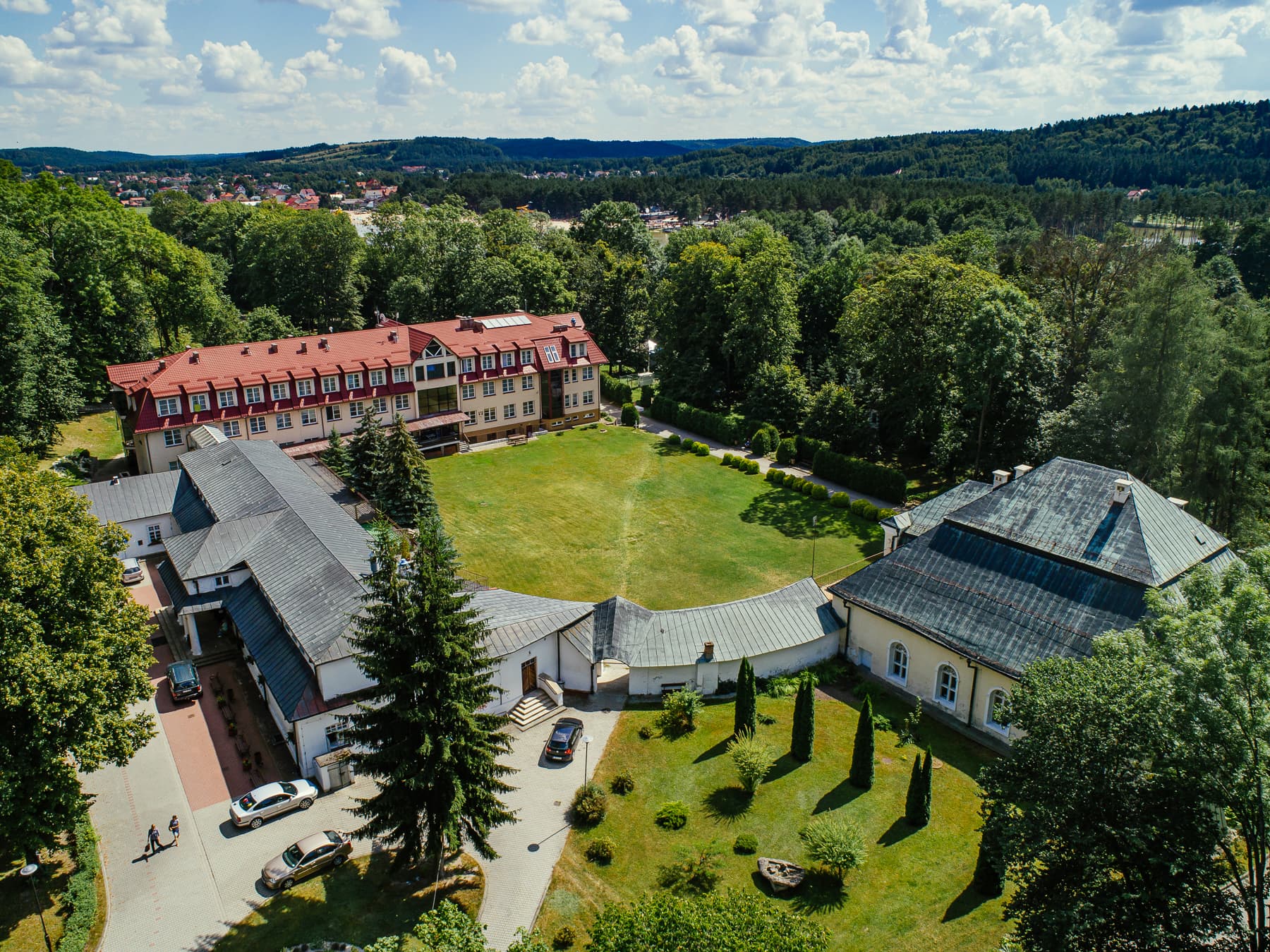
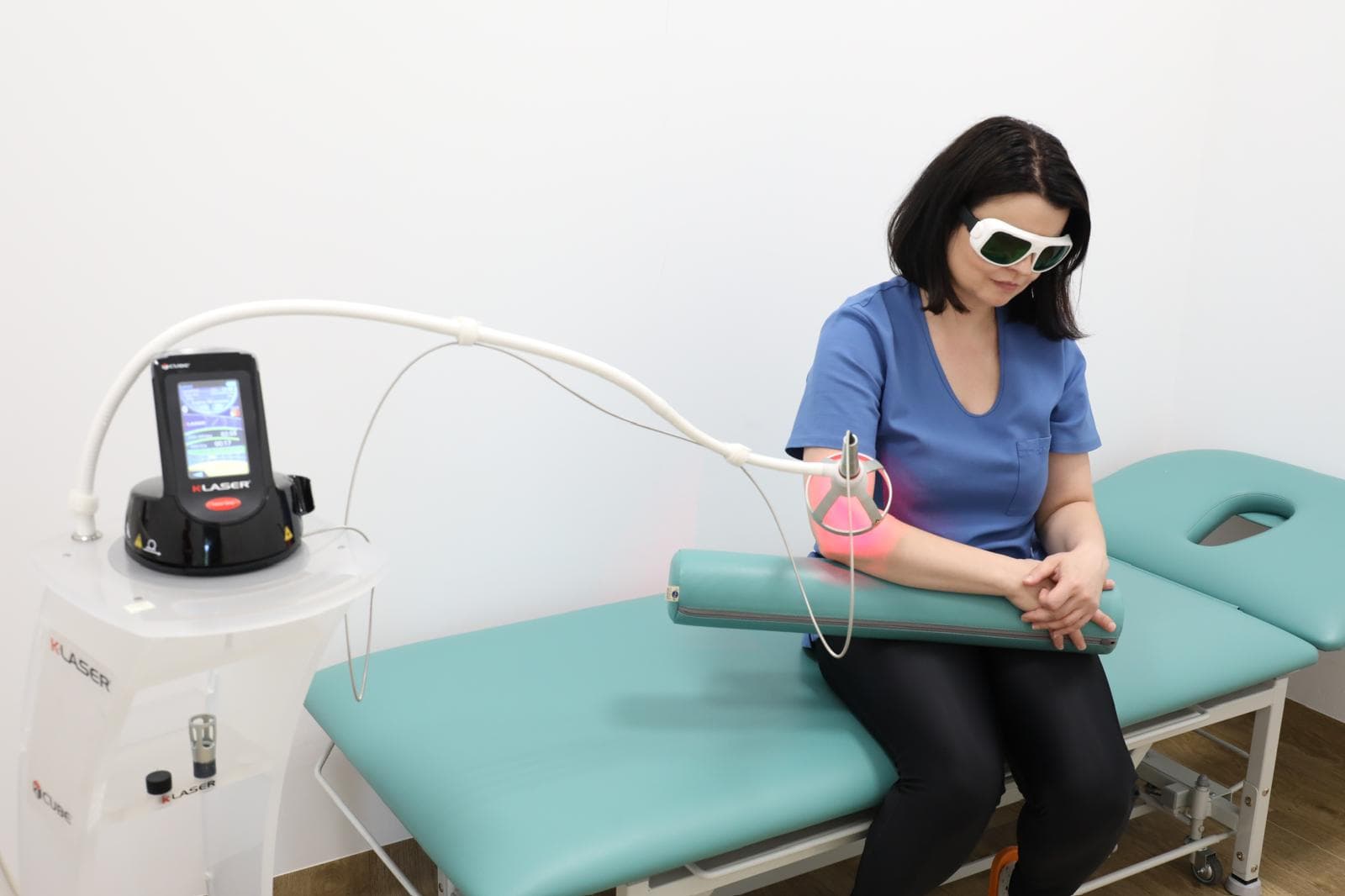
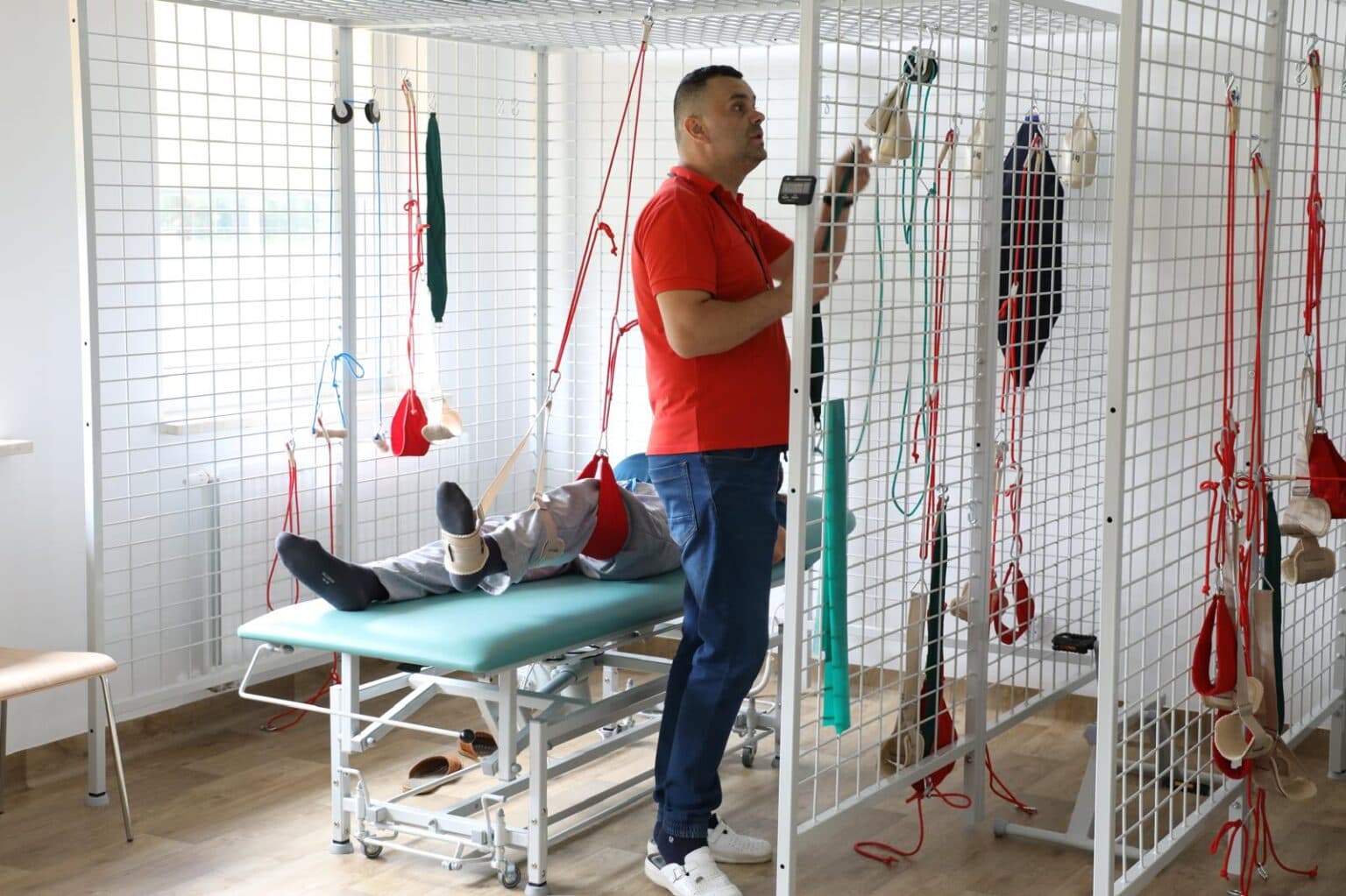
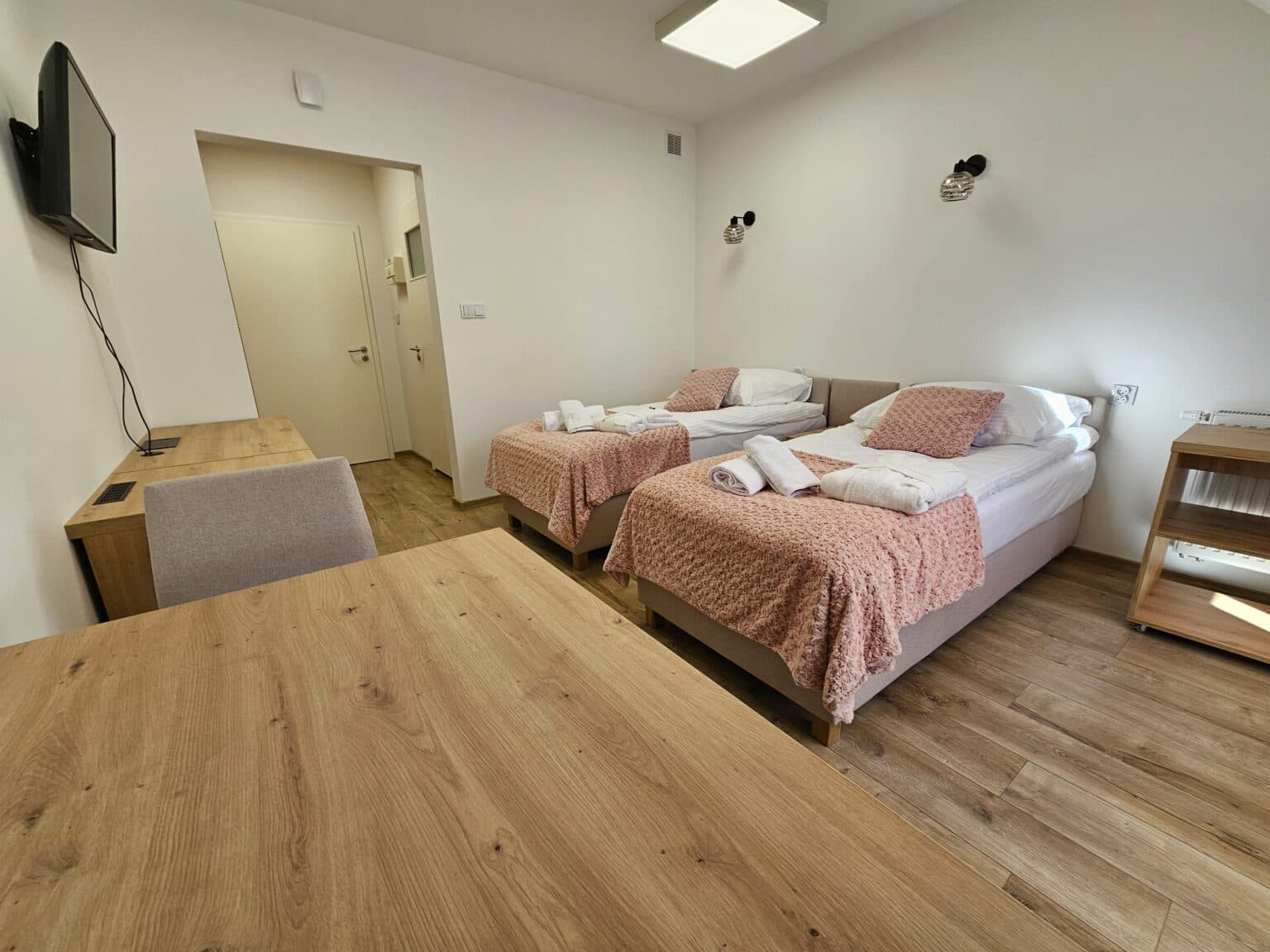
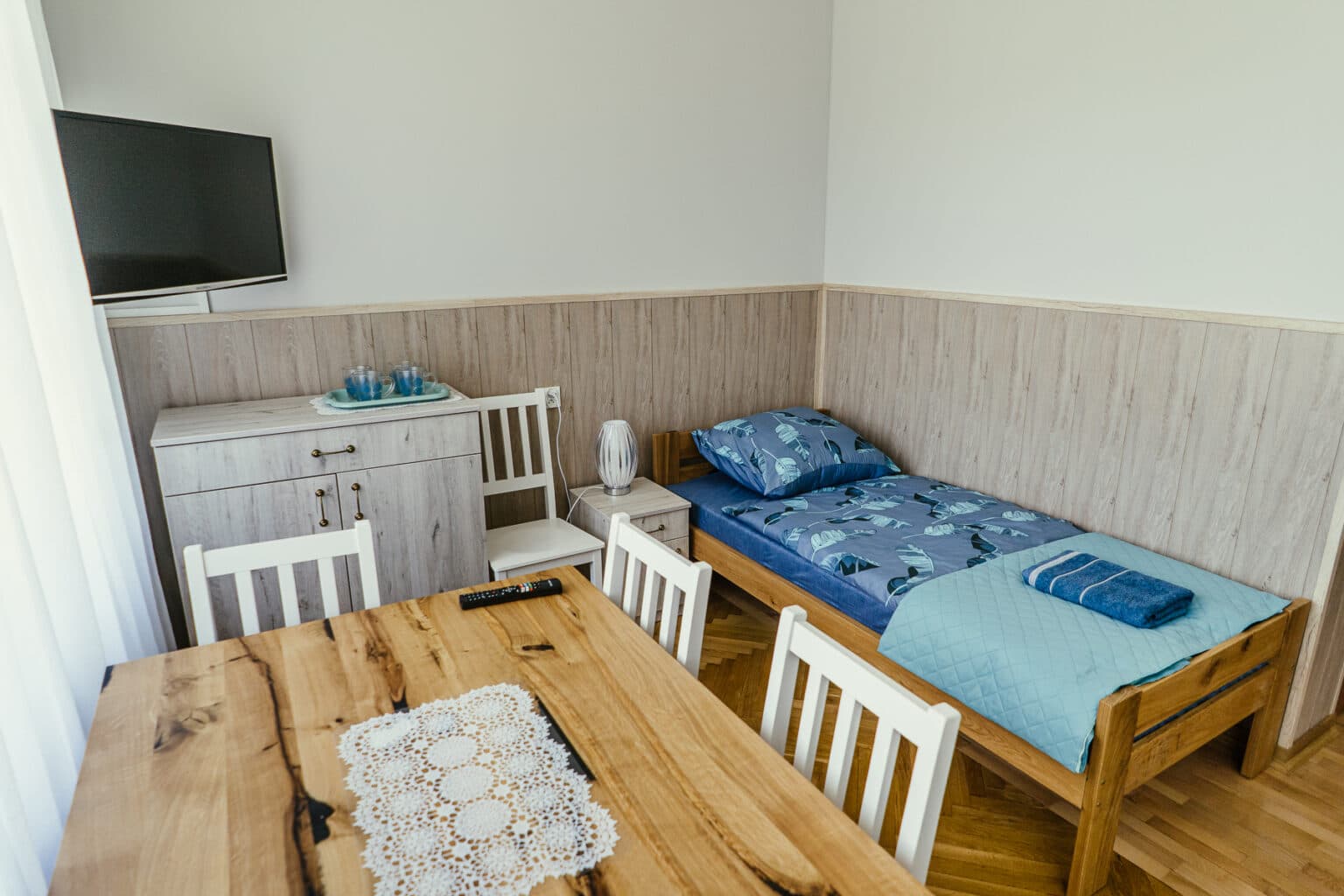
The Samodzielne Publiczne Sanatorium Rehabilitacyjne imienia Janusza Korczaka in Krasnobród is a facility with an exceptionally calm, historic character, set within a historic palace-and-park complex in the Podzamek district. For a senior and their family, it matters here to feel that the stay takes place in a place tested by time: the estate's origins reach back to the first half of the 16th century, when a small defensive castle was built here on the initiative of the Firlej family. Its position on important trade routes gave this place political and economic significance, and today the same location gives the guest something far more precious: the quiet of the Roztocze region, the space of the park and the atmosphere of classic spa tradition.
In the 17th century the Leszczyński family transformed the former stronghold into a comfortable palatial residence with elements of Baroque splendour. It is a place with soul, in which history is not decoration but part of the daily rhythm of rest. Figures such as King Stanisław Leszczyński and Augustus II the Strong were connected with this place, so a senior can feel the historic prestige of the stay, and the family can be sure they are choosing for mum or dad a sanatorium rooted in the region's centuries-old culture.
The complex's present appearance is the result of turbulent history and responsible reconstruction. In 1914 the former Leszczyński palace was destroyed as a result of First World War operations, and just three years later it was raised from the ruins according to the design of the eminent architect Jan Koszczyc Witkiewicz. The residence then received a classicist character: two buildings connected by a colonnaded gallery, a two-storey main edifice and the characteristic Polish broken roof. The whole blends harmoniously into a two-hectare English-style park, where the natural shade of the trees, calm paths and palatial order of the space favour quieting down.
The history of treatment at this place began after the Second World War. In the 1950s the palace buildings were renovated and a sanatorium for children with rheumatic conditions was established. In 1967 the decision was taken to build the New Treatment Pavilion for 120 places, put into use in 1971. Between 2002 and 2004 the pavilion underwent thorough modernisation, adapting the space to contemporary medical standards, and in February 2024 another new building was put into use, clearly raising the comfort of guests' stays.
The sanatorium is also in a phase of development that can be regarded as a wise investment in the health and safety of future guests. An investment worth more than 22 million złoty has been planned for 2025–2027. The project covers the reconstruction of the palace, the outbuilding and the connector, as well as the adaptation of the hitherto unused attic into an additional usable storey. This is an important signal that the sanatorium not only cherishes tradition, but consistently strengthens functionality and comfort.
For seniors, the daily logistics of moving around the facility are especially important. The buildings are joined by a special connector, thanks to which a guest can pass between the residential zone, the dining room and the treatment section without going outside. This is practical protection against rain, snow, heat and wind, and for the family real proof of care for mum or dad. A modern lift operates in the facility, reaching all floors, which limits barriers for people with weaker mobility.
The entire palace-and-park estate is listed in the register of historic monuments, which reinforces the sense of order, aesthetics and attention to detail. At the same time the facility is fully adapted to the needs of people with disabilities: ramps and dedicated parking spaces are available. This combination of historic character, a modern medical approach and solutions that ease daily life means a stay in Krasnobród can be seen as a calm, well-considered investment in a senior's health.
Stay organisation
For a privately funded stay, a formal referral from a doctor working under the Polish National Health Fund (NFZ) is not required. However, guests are asked to bring current medical documentation, including blood count results, urine test, and hospital treatment discharge summaries. These documents are needed by the resort doctor to correctly plan rehabilitation, so it is worth preparing them in advance and packing them in one easily accessible place.
For the stay, it is necessary to bring sportswear for exercises, spare footwear, a swimsuit, and clothing suited to the season. Seniors should also remember a supply of regularly taken medications for the entire stay.
Additional information
People arriving by their own car can use the sanatorium's paid car park. These are specific, small costs that are good to know about in advance, so the trip can be calmly planned from day one.
The facility holds an official Accessibility Declaration, confirming adaptation to the needs of people with various disabilities. This includes ramps, a lift reaching all floors, and appropriately adapted sanitary facilities. These elements are especially important for seniors with limited mobility, as they make everyday movement easier and reduce dependence on others' help.
The whole offer, from the professional treatment section to the peaceful, idyllic surroundings of Roztocze, creates conditions for a senior's calm recovery of strength.
The sanatorium in Krasnobród lies in the heart of the Central Roztocze region, on the grounds of the Krasnobrodzki Park Krajobrazowy. This location is of great importance for a senior's health, as the facility directly neighbours microclimatic pine-fir-spruce forests. The trees emit valuable phytoncides, which have a soothing effect on the respiratory and nervous systems, and the air carries forest freshness, the scent of pines and nature's calm rhythm.
Just a hundred and fifty metres from the sanatorium is a modernised reservoir on the Wieprz River. This proximity doesn't require a long expedition or great effort: a senior can reach the water, see the sandy beach, the pier and use flat walking paths. For older people, the terrain profile is of enormous significance, as it allows movement to be planned without worrying about burdensome climbs or excessively quick fatigue.
Within walking distance of the facility are places worth visiting during free time between treatments. About a kilometre from the sanatorium is the Baroque monastery complex with the sanktuarium Matki Bożej Krasnobrodzkiej. A little further is the Kaplica na Wodzie, known for the legendary properties of the local spring, and the Kalwaria Krasnobrodzka with sculptures set into the forest landscape. For guests with greater mobility, an interesting destination can be the viewing tower on the grounds of a former quarry, with a panorama of the Wieprz valley.
The area has good transport links with the region's most important towns. About a kilometre from the sanatorium is the town centre with pharmacies, shops and a local transport stop. This is practical support for daily needs: it's easier to buy small items, pick up medication or plan a calm outing without excessive logistics. The sanatorium also organises regular trips to nearby Zamość, on the UNESCO list, and to Zwierzyniec, known for its Baroque church on water and the seat of the Roztoczański Park Narodowy.
The area around the sanatorium is an oasis of calm, dominated by birdsong and the rustle of trees. Krasnobród's microclimate is characterised by plentiful sunshine, air humidity and the proximity of coniferous forests, so the stay supports calm rest in a natural setting. Well-kept park paths and numerous benches allow seniors to safely commune with nature, rest along the way and dose their own activity.
The proximity of nature here has a very concrete and soothing dimension. In the immediate neighbourhood of the park, you can encounter squirrels, deer or foxes, giving the stay an idyllic, almost family-like character. For mum or dad, this means daily contact with nature without needing distant trips, and for the family, confidence that a space has been chosen that supports not only the body, but also breathing, sleep and inner calm.
Loading map...
Direct contact with the facility's reception
We combine specialist therapies, an individual approach and modern methods to support your return to health and daily activity.
The above treatment profiles focus on the following categories:
Showing articles 1-4 of 13
How do you choose a good sanatorium for joint problems? Compare the rehabilitation programme, care, accessibility and the full cost of a private stay.

Find out how to choose a sanatorium with a swimming pool. Compare accessibility, type of water, supervision, opening hours and costs, as well as the classes included in the package.

Planning a private stay in Lower Silesia? Compare spa towns, treatment programmes, care, room accessibility and the full cost of the offer on Vitalnia.

Learn the differences between physiotherapy, physical agent therapy and kinesiotherapy. Check treatment names in sanatorium packages and what to ask.
Article
How do you choose a good sanatorium for joint problems? Compare the rehabilitation programme, care, accessibility and the full cost of a private stay.
Article
Find out how to choose a sanatorium with a swimming pool. Compare accessibility, type of water, supervision, opening hours and costs, as well as the classes included in the package.
Article
Planning a private stay in Lower Silesia? Compare spa towns, treatment programmes, care, room accessibility and the full cost of the offer on Vitalnia.
Article
Learn the differences between physiotherapy, physical agent therapy and kinesiotherapy. Check treatment names in sanatorium packages and what to ask.

Article
Planning to go to a sanatorium together? Check the NFZ rules, a sample request, sharing a room and the terms of a private stay for two.

Article
How do you check a facility for a rehabilitation stay for a wheelchair user? See what to verify in the room, bathroom and lift, at treatments and for a carer's stay.

Article
Planning a sanatorium stay with your dog? Check the rules for private and NFZ stays, documents, fees and care for your dog during treatments.

Article
Compare sanatorium packages: treatments, eligibility assessment, care and stay conditions. See how to use Vitalnia's filters to choose a facility.

Article
Affordable private sanatorium: how to compare the full cost of a stay, dates, rooms and treatments, plus Senior Card and PFRON funding rules.

Article
Spine rehabilitation at a sanatorium: learn about treatments, warning signs, the differences between 7-, 14- and 21-day stays, and criteria for choosing a facility.

Article
What to pack for a sanatorium stay of 7, 14 or 21 days? Check the list of documents, medicines, clothes and accessories, plus a printable checklist.

Article
Chronic fatigue, joint pain, or sleep problems? Learn 5 signs worth watching for, and find out when to consult a doctor about them. 2026 guide.

Article
Find out how much a privately funded sanatorium stay costs, how long the wait for treatment funded by the Polish National Health Fund (NFZ) is, and when a privately funded stay may make sense. Full 2026 comparison.