


A good sanatorium for joint problems: how to choose a stay and compare offers
How do you choose a good sanatorium for joint problems? Compare the rehabilitation programme, care, accessibility and the full cost of a private stay.
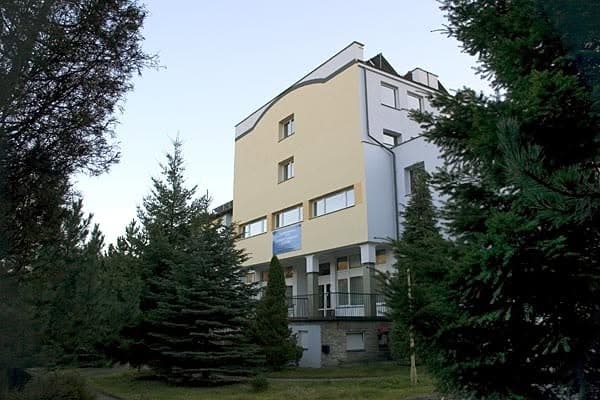
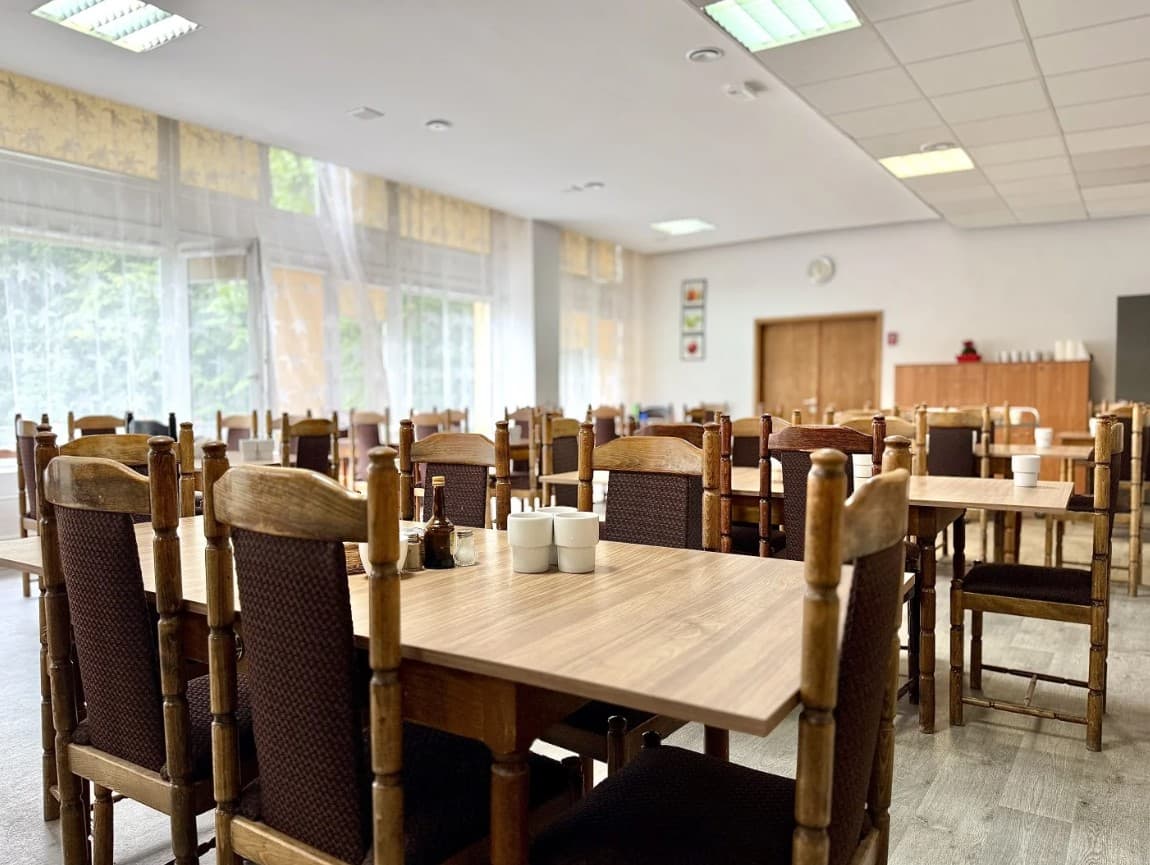
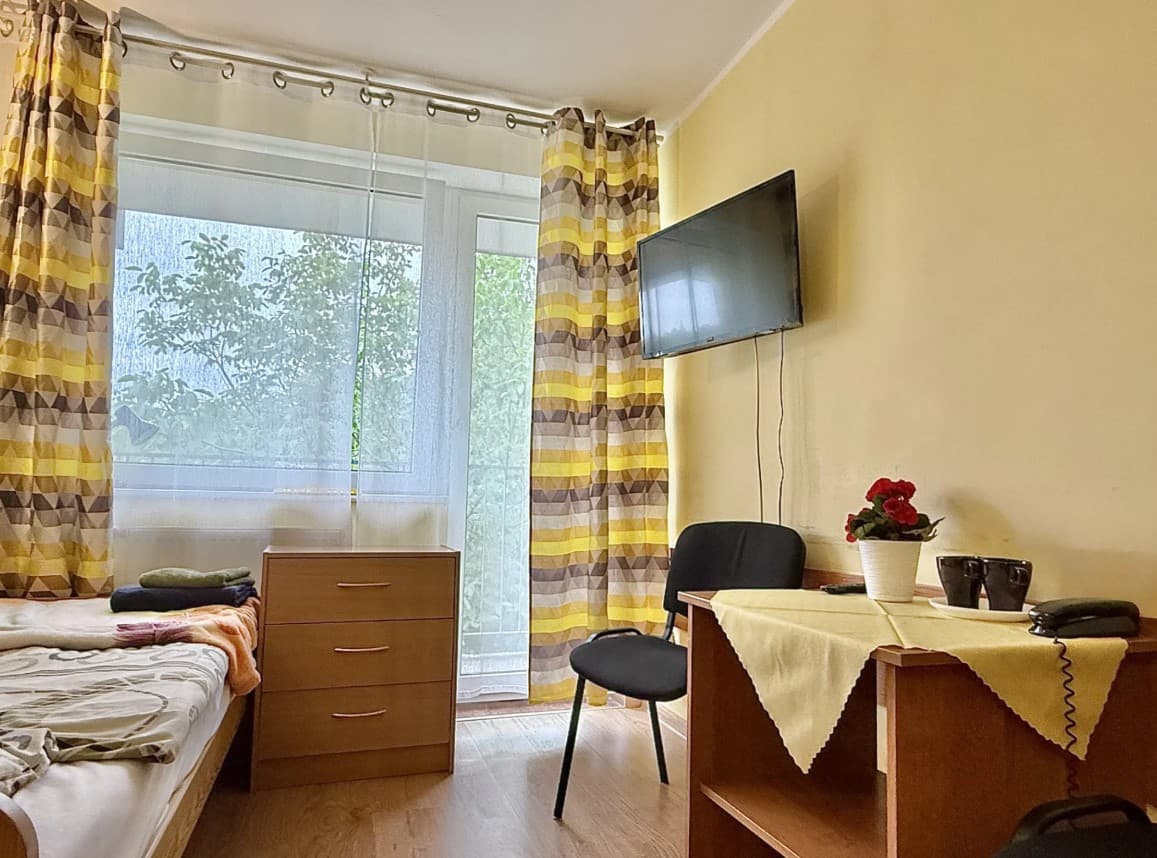
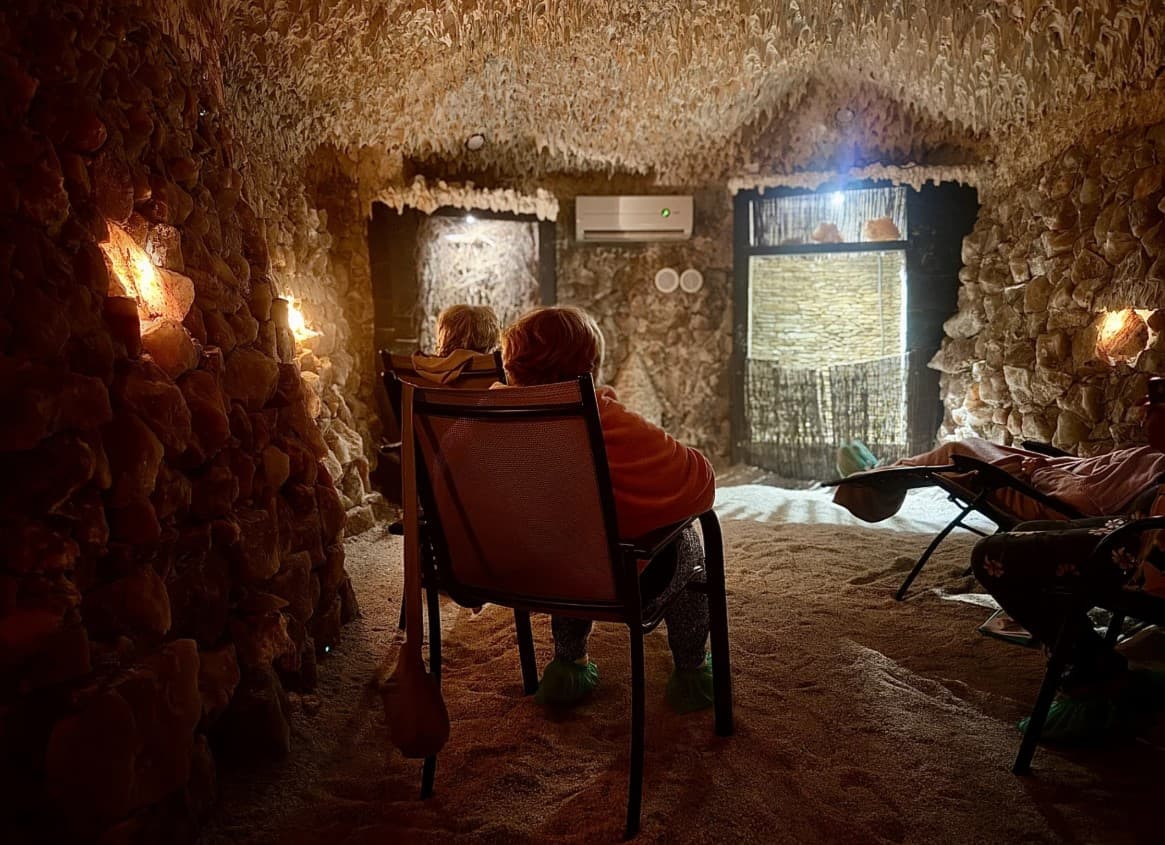
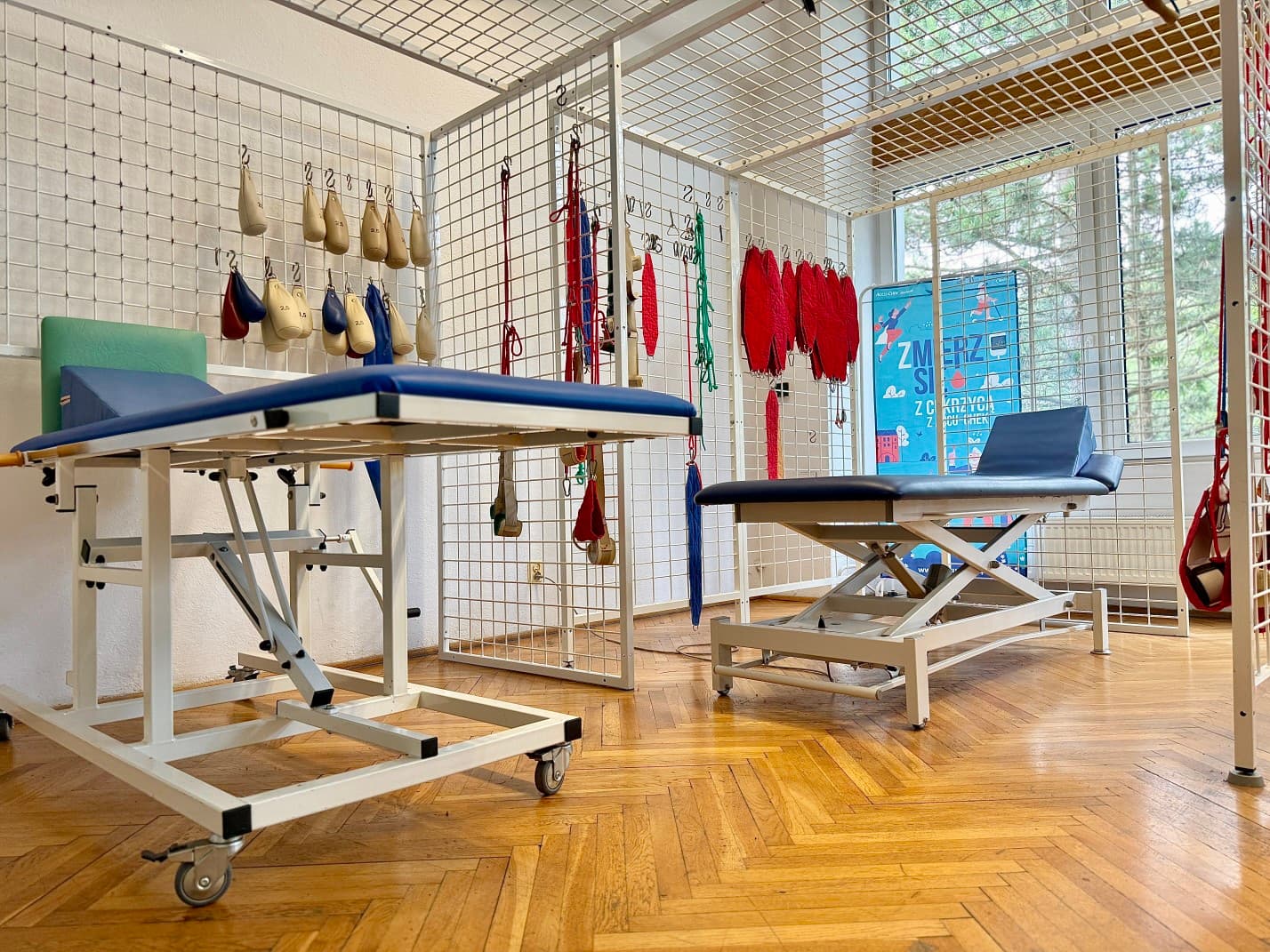
The Sanatorium Uzdrowiskowe Leśnik at 23 Marca 105 in Sopot is a place with soul, firmly rooted in Polish spa tradition. The facility was put into use in 1983, so its structure and interior layout bear clear features of late modernism. The large building was set into undulating, forested terrain in a cascading arrangement, which gives better lighting to the residential areas but at the same time affects daily movement around the facility. For a family planning a stay for mum or dad, this is important information already at the stage of choosing the health resort, because the character of the place stems not only from aesthetics, but also from the shape of the moraine hill.
Leśnik retains its original sanatorium character, based on a functional interior layout and the calm charm of a health resort. Refreshing and conservation works have been carried out: the window joinery was replaced with PVC profiles, improving the thermal and acoustic insulation of the rooms, particularly valuable in the autumn-winter period. The interior walls are regularly painted, and small aesthetic improvements have been introduced in the common areas. Thanks to this, the guest receives a space that is clean and well kept, while retaining the classic atmosphere of a traditional health resort.
The infrastructure is spread over several levels. On the lower ground floor, that is level minus 1, most of the treatment facilities, physiotherapy rooms and technical rooms are concentrated. The raised ground floor, that is level 0, serves the reception and dining function. Here is the main entrance, reached by steps, so for a senior moving with crutches or in a wheelchair the side ramps are of key importance. The first floor houses doctors' consulting rooms, nurses' stations and part of the rooms, while the higher storeys are intended exclusively for accommodation.
Vertical circulation deserves special attention. Two lifts operate in the building, but they do not form one simple sequence serving all floors. To get from the reception level to the highest residential storeys, a guest must use the first lift to the first floor, then walk along the corridor and only there change to the second lift. This solution stems from the building's position on the slope, but in practice it matters greatly for people with cardiological complaints, severe joint pain or reduced capacity, because every additional transfer means real effort.
From the perspective of safety and quality, it is important that the facility holds the ISO 9001:2015 certificate, confirming orderly quality-management procedures, including in the area of medical documentation and standards of guest service. The sanatorium also has its own modern ecological boiler room with heat pumps and solar collectors, which supports stable heating of the building and fits a responsible approach to the environment. The whole functions in the model of a traditional health resort with a medical profile: the interiors are clean, austere and functional, without hotel gloss, but with an emphasis on the reliability of treatment. The facility offers 180 beds in 89 rooms, which at full occupancy creates a lively spa community, but without excessive crowding in the common areas.
Stay organisation
For a privately funded stay, a formal referral from a health insurance doctor is usually not required, but every guest undergoes an on-site consultation with the resort doctor, who assesses which treatments can be used safely.
An important practical area is meals. The sanatorium offers easily digestible, diabetic, dairy-free, lactose-free, and gluten-free diets. The light and diabetic diets are among the standard options selected by the doctor, while elimination diets, such as gluten-free and lactose-free, require presenting a certificate from a specialist doctor. It is also possible to order an individual diet for an additional fee.
Check-in is usually from 14:00 on the arrival day and check-out is by 10:00 on the departure day. The first meal is often lunch or dinner, and the last is breakfast.
Additional information
Parking is available on the sanatorium premises, though its capacity is limited. For guests with a referral from the Polish National Health Fund (NFZ), arrival order applies. The car park is paid, and rates may vary seasonally. Good news for families bringing luggage is the possibility of a short drive-up right to the entrance for calm unloading.
The facility holds quality certificates, including ISO 9001:2015 and the earlier ISO 9001:2008, which strengthens the image of a place working according to standardised medical processes. The sanatorium does not accept pets, which is justified by sanitary-epidemiological reasons and concern for the comfort of guests with respiratory conditions and allergies. This information is especially important for people who usually travel with a pet and want to safely arrange care for it in advance.
Additional amenities that may involve fees include renting a kettle, a fridge for the room, and a bathrobe. This is a small detail, but over a longer stay it can matter for everyday comfort.
Wireless internet works in designated zones, such as around reception and the café. Cable television is also available in the facility, included in some stay packages. Safety is supported by monitoring in common areas and the presence of security staff, who on arrival and departure days often help seniors carry heavier luggage between floors.
Sanatorium Leśnik lies on the upper terrace of Sopot, in the heart of the Trójmiejski Park Krajobrazowy. This is an exceptionally valuable location for a senior who needs quiet, clean air and respite from the urban pace. A compact forest complex shields the facility from noise and exhaust fumes, creating a calm enclave conducive to convalescence. This place's microclimate is built simultaneously by forest essential oils from coniferous and beech trees and sea aerosol reaching from the Gulf of Gdańsk, which serves the respiratory tract particularly well.
This is a location where it's worth taking the terrain shape into account. The facility is located at an altitude of about 114 metres above sea level, at the end of 23 Marca Street. The road from the centre of Sopot to the sanatorium is about 2 kilometres long and runs continuously uphill, with an average incline of 3.9% and the steepest section reaching 10.1%. For an older person or a guest with limited mobility, public transport is an important convenience: buses arrive right at the building, where there's a bus loop, making it possible to efficiently reach the area of Monciak or the railway station.
On the sanatorium grounds itself and in its immediate surroundings, numerous benches have been placed, giving a senior the possibility of regular rest. The property's grounds themselves are relatively flat and well kept, supporting safe movement with a cane or walking frame within the facility. Greater caution is only required on forest paths outside the property, where protruding roots and uneven ground appear. For the family, this is an important indication: a daily walk on the sanatorium grounds is friendly, but further outings are worth planning sensibly and taking mum or dad's fitness into account.
Attractions within walking distance are mainly of a natural character. The Trójmiejski Park Krajobrazowy offers routes leading, among other places, to the Dolina Gołębiewska and to the surrounding viewpoint hills. The Opera Leśna is also close by and can become a pleasant destination for an afternoon stroll. Guests with a car can treat Sopot as a good base for exploring the whole Tricity, with the caveat that parking in the centre of Sopot is paid and limited.
Leśnik's microclimate is particularly appreciated by people struggling with insomnia and anxiety states. At night, there is almost absolute silence here, interrupted mainly by natural forest sounds, which helps calm the nervous system and rest more deeply. In the summer season, when the centre of Sopot becomes crowded and loud, the distance from the main tourist routes proves to be one of this health resort's greatest assets.
Loading map...
Direct contact with the facility's reception
We combine specialist therapies, an individual approach and modern methods to support your return to health and daily activity.
The above treatment profiles focus on the following categories:
Showing articles 1-4 of 13
How do you choose a good sanatorium for joint problems? Compare the rehabilitation programme, care, accessibility and the full cost of a private stay.

Find out how to choose a sanatorium with a swimming pool. Compare accessibility, type of water, supervision, opening hours and costs, as well as the classes included in the package.

Planning a private stay in Lower Silesia? Compare spa towns, treatment programmes, care, room accessibility and the full cost of the offer on Vitalnia.

Learn the differences between physiotherapy, physical agent therapy and kinesiotherapy. Check treatment names in sanatorium packages and what to ask.
Article
How do you choose a good sanatorium for joint problems? Compare the rehabilitation programme, care, accessibility and the full cost of a private stay.
Article
Find out how to choose a sanatorium with a swimming pool. Compare accessibility, type of water, supervision, opening hours and costs, as well as the classes included in the package.
Article
Planning a private stay in Lower Silesia? Compare spa towns, treatment programmes, care, room accessibility and the full cost of the offer on Vitalnia.
Article
Learn the differences between physiotherapy, physical agent therapy and kinesiotherapy. Check treatment names in sanatorium packages and what to ask.

Article
Planning to go to a sanatorium together? Check the NFZ rules, a sample request, sharing a room and the terms of a private stay for two.

Article
How do you check a facility for a rehabilitation stay for a wheelchair user? See what to verify in the room, bathroom and lift, at treatments and for a carer's stay.

Article
Planning a sanatorium stay with your dog? Check the rules for private and NFZ stays, documents, fees and care for your dog during treatments.

Article
Compare sanatorium packages: treatments, eligibility assessment, care and stay conditions. See how to use Vitalnia's filters to choose a facility.

Article
Affordable private sanatorium: how to compare the full cost of a stay, dates, rooms and treatments, plus Senior Card and PFRON funding rules.

Article
Spine rehabilitation at a sanatorium: learn about treatments, warning signs, the differences between 7-, 14- and 21-day stays, and criteria for choosing a facility.

Article
What to pack for a sanatorium stay of 7, 14 or 21 days? Check the list of documents, medicines, clothes and accessories, plus a printable checklist.

Article
Chronic fatigue, joint pain, or sleep problems? Learn 5 signs worth watching for, and find out when to consult a doctor about them. 2026 guide.

Article
Find out how much a privately funded sanatorium stay costs, how long the wait for treatment funded by the Polish National Health Fund (NFZ) is, and when a privately funded stay may make sense. Full 2026 comparison.