


A good sanatorium for joint problems: how to choose a stay and compare offers
How do you choose a good sanatorium for joint problems? Compare the rehabilitation programme, care, accessibility and the full cost of a private stay.
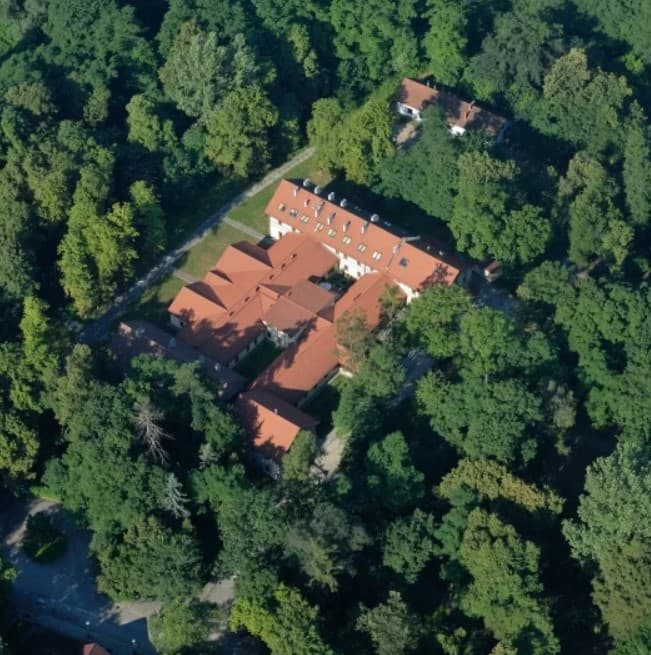
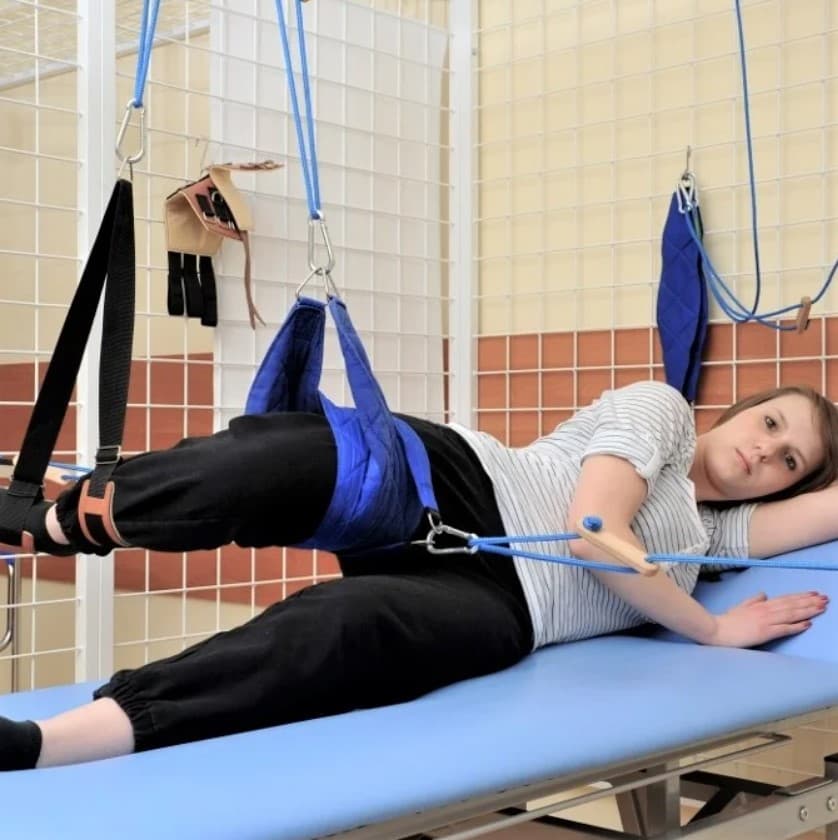
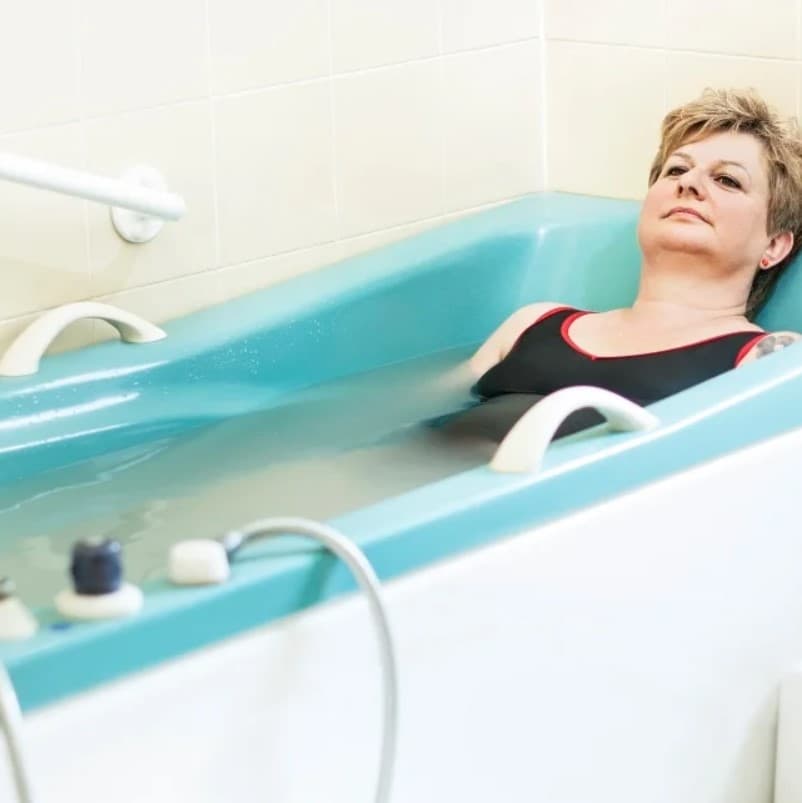
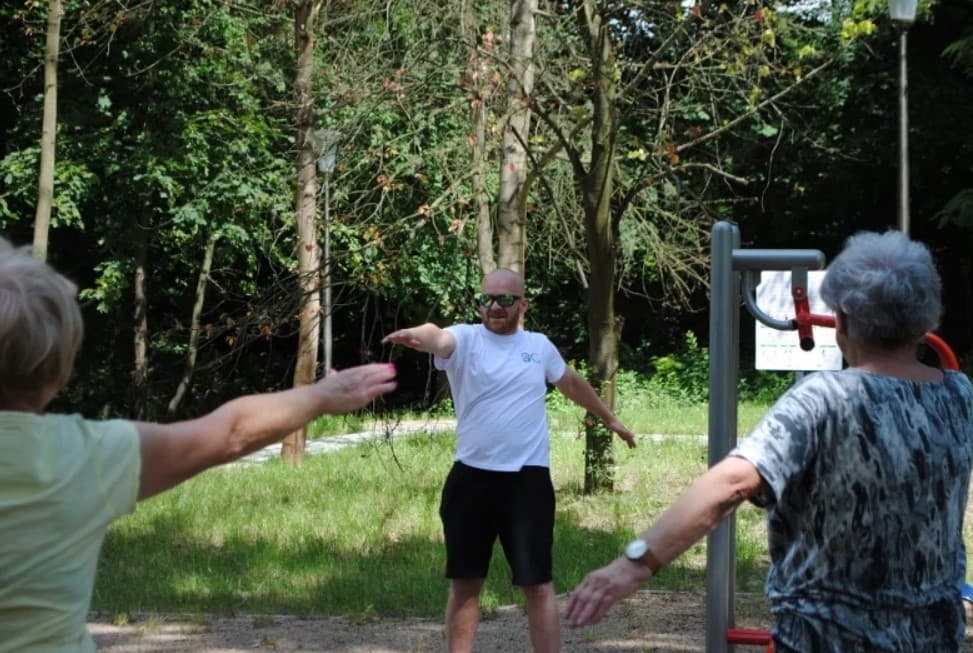
Uzdrowisko Kraków Swoszowice is a choice combining logistical sense with the feeling of a safe investment in the health of mum, dad or a senior. It is the only health resort in Poland and one of the few in Europe operating within the administrative boundaries of a large urban agglomeration. It lies in Kraków's tenth district, Swoszowice, on ground with an exceptional geological and spa history. The first official mention of Swoszowice appeared as early as 1362 in the Tyniec Codex, where it was described as a village in the Wieliczka Foothills. From 1422 the development of this place was tied to sulphur deposits, mined for the Royal Treasury, and the therapeutic potential of the waters flowing from the mine was noticed very early. In 1578 Wojciech Oczko, court physician to King Stefan Batory, described the Swoszowice springs in his work "Cieplice" as especially effective for rheumatic complaints.
Today's character of the health resort grew out of the vision of Jagiellonian University professor Feliks Radwański, who purchased Swoszowice in 1807 and in 1811 brought about the official opening of a resort meeting the European standards of the time. It was he who created the first bathhouse, to which therapeutic water was delivered by special wooden channels, and prepared stay space for guests. An important confirmation of this place's value came in 1974, when Swoszowice received formal health-resort status granted by the National Council of the City of Kraków. For a senior's family this is an important signal: this is not a random leisure spot, but a health resort with documented tradition, microclimate and water resources.
The heart of the complex is the Główny Dom Zdrojowy (Main Spa House), one of the oldest buildings of the resort. This brick-built facility has undergone numerous modernisations over more than 2 centuries to meet the needs of contemporary rehabilitation while retaining its historic soul. It is precisely here that the entire treatment space and doctors' consulting rooms are concentrated. This has enormous practical significance for a senior: consultations and medical procedures take place in one place, without the need for frequent movement between buildings during a series of treatments. Such an organisation is proof of care, because it shortens distances, orders the day and reduces fatigue.
The second important building is Pawilon Szwajcarka, whose name references an architectural style reminiscent of Alpine spa villas. Its position on the opposite side of the Spa Park from the Main Spa House gives guests more privacy and a calm distance from the treatment zone. The third pillar of the infrastructure is Hotel Krystyna, located on the edge of the park, offering the most modern accommodation standard in the complex and naturally set within green garden surroundings. The resort's buildings are multi-storey, but especially important for people with limited mobility is the information that Hotel Krystyna was designed with disabled people in mind, indicating solutions that ease safe movement.
The atmosphere of Swoszowice favours quieting down: the resort is located about 12 kilometres from the historic centre of Kraków, thanks to which the guest can enjoy quiet, greenery and a calm daily rhythm without losing access to the big city. The buildings, though tied to classic spa tradition, retain their lustre thanks to regular renovations and attention to cleanliness. The whole forms a place with soul, in which history is palpable in the historic walls, park paths and the age-old trees of the Spa Park, remembering more than 200 years of this resort's development.
Stay organisation
Before the stay, it is worth preparing health documentation, certificates, and a current list of medications taken. Such a set helps safely select treatments, especially since the sulfide therapies here have a strong effect and require responsible exclusion of contraindications.
Uzdrowisko Kraków Swoszowice has a location that, from a senior's and their family's perspective, is exceptionally sensible: it combines the calm of a suburb with proximity to one of Europe's most important metropolises. The facility lies on the Wieliczka Foothills, about 12 kilometres south of Kraków's historic centre. The Swoszowice district has a villa character, with low buildings, numerous garden plots and considerably less noise than in the city centre. This setting supports a therapeutic stay, as it gives quiet, greenery and breathing room, while not cutting a senior off from services, transport and Kraków culture.
The nearest and most important surroundings of the health resort is the Park Zdrojowy, willingly chosen both by guests and Kraków residents. The park's terrain is varied: there are hillocks here, so some walks require a certain effort from a senior, but the reward is beautiful views of the surrounding greenery. The paths are well maintained and mostly paved, helping calmly plan routes. Important elements of the landscape are the Wilga River flowing through Swoszowice and nearby forest strips, good for longer walking trips for people in better condition. In spring, it's worth noting flowering lesser celandine, creating yellow carpets under old oaks and beeches.
Transport is a great asset of this place. The Park Zdrojowy public transport stop is in direct proximity to the Główny Dom Zdrojowy, just 50 metres from it. Thanks to this, a senior can easily reach the centre of Kraków or other districts without needing a long walk. Direct bus connections are available from Borek Fałęcki, making it easier to change to numerous tram lines towards the Rynek Główny, from Kurdwanów and Rondo Matecznego, supporting arrival from the southern parts of the city, and from Łagiewniki, where the famous Sanktuarium Bożego Miłosierdzia is located, a frequent destination of guests' visits.
Daily independence is supported by access to basic services. Within a radius of a dozen or so minutes' walk are grocery shops and pharmacies, allowing you to replenish needed supplies without a big expedition. Also within walking distance is Fort Swoszowice, part of the historic Twierdza Kraków. The street leading to the fort is a fragment of a former lateral road, and the route has a picturesque character, though it is quite winding and requires attention when walking along the shoulder. For guests in good condition, this can be an interesting, calm trip with an element of history.
Swoszowice is also a good base for exploring Kraków. Seniors can plan trips to the most important monuments, such as Wawel, Sukiennice or Kazimierz, which in 1978 were inscribed on the UNESCO World Heritage list. About 10 kilometres south, along the route called Zakopianka, lies Mogilany, from where in good visibility you can see the panorama of the Beskids and Tatras. For those undergoing convalescence, Swoszowice's microclimate is also important: lowland and moderately stimulating, gentle for seniors with circulatory diseases or hypertension, as it doesn't force sudden adaptive reactions of the body. The quiet of this part of the city allows for fuller rest and regeneration of strength away from big-city bustle.
Loading map...
Direct contact with the facility's reception
We combine specialist therapies, an individual approach and modern methods to support your return to health and daily activity.
The above treatment profiles focus on the following categories:
Showing articles 1-4 of 13
How do you choose a good sanatorium for joint problems? Compare the rehabilitation programme, care, accessibility and the full cost of a private stay.

Find out how to choose a sanatorium with a swimming pool. Compare accessibility, type of water, supervision, opening hours and costs, as well as the classes included in the package.

Planning a private stay in Lower Silesia? Compare spa towns, treatment programmes, care, room accessibility and the full cost of the offer on Vitalnia.

Learn the differences between physiotherapy, physical agent therapy and kinesiotherapy. Check treatment names in sanatorium packages and what to ask.
Article
How do you choose a good sanatorium for joint problems? Compare the rehabilitation programme, care, accessibility and the full cost of a private stay.
Article
Find out how to choose a sanatorium with a swimming pool. Compare accessibility, type of water, supervision, opening hours and costs, as well as the classes included in the package.
Article
Planning a private stay in Lower Silesia? Compare spa towns, treatment programmes, care, room accessibility and the full cost of the offer on Vitalnia.
Article
Learn the differences between physiotherapy, physical agent therapy and kinesiotherapy. Check treatment names in sanatorium packages and what to ask.

Article
Planning to go to a sanatorium together? Check the NFZ rules, a sample request, sharing a room and the terms of a private stay for two.

Article
How do you check a facility for a rehabilitation stay for a wheelchair user? See what to verify in the room, bathroom and lift, at treatments and for a carer's stay.

Article
Planning a sanatorium stay with your dog? Check the rules for private and NFZ stays, documents, fees and care for your dog during treatments.

Article
Compare sanatorium packages: treatments, eligibility assessment, care and stay conditions. See how to use Vitalnia's filters to choose a facility.

Article
Affordable private sanatorium: how to compare the full cost of a stay, dates, rooms and treatments, plus Senior Card and PFRON funding rules.

Article
Spine rehabilitation at a sanatorium: learn about treatments, warning signs, the differences between 7-, 14- and 21-day stays, and criteria for choosing a facility.

Article
What to pack for a sanatorium stay of 7, 14 or 21 days? Check the list of documents, medicines, clothes and accessories, plus a printable checklist.

Article
Chronic fatigue, joint pain, or sleep problems? Learn 5 signs worth watching for, and find out when to consult a doctor about them. 2026 guide.

Article
Find out how much a privately funded sanatorium stay costs, how long the wait for treatment funded by the Polish National Health Fund (NFZ) is, and when a privately funded stay may make sense. Full 2026 comparison.